What the Filing Actually Was
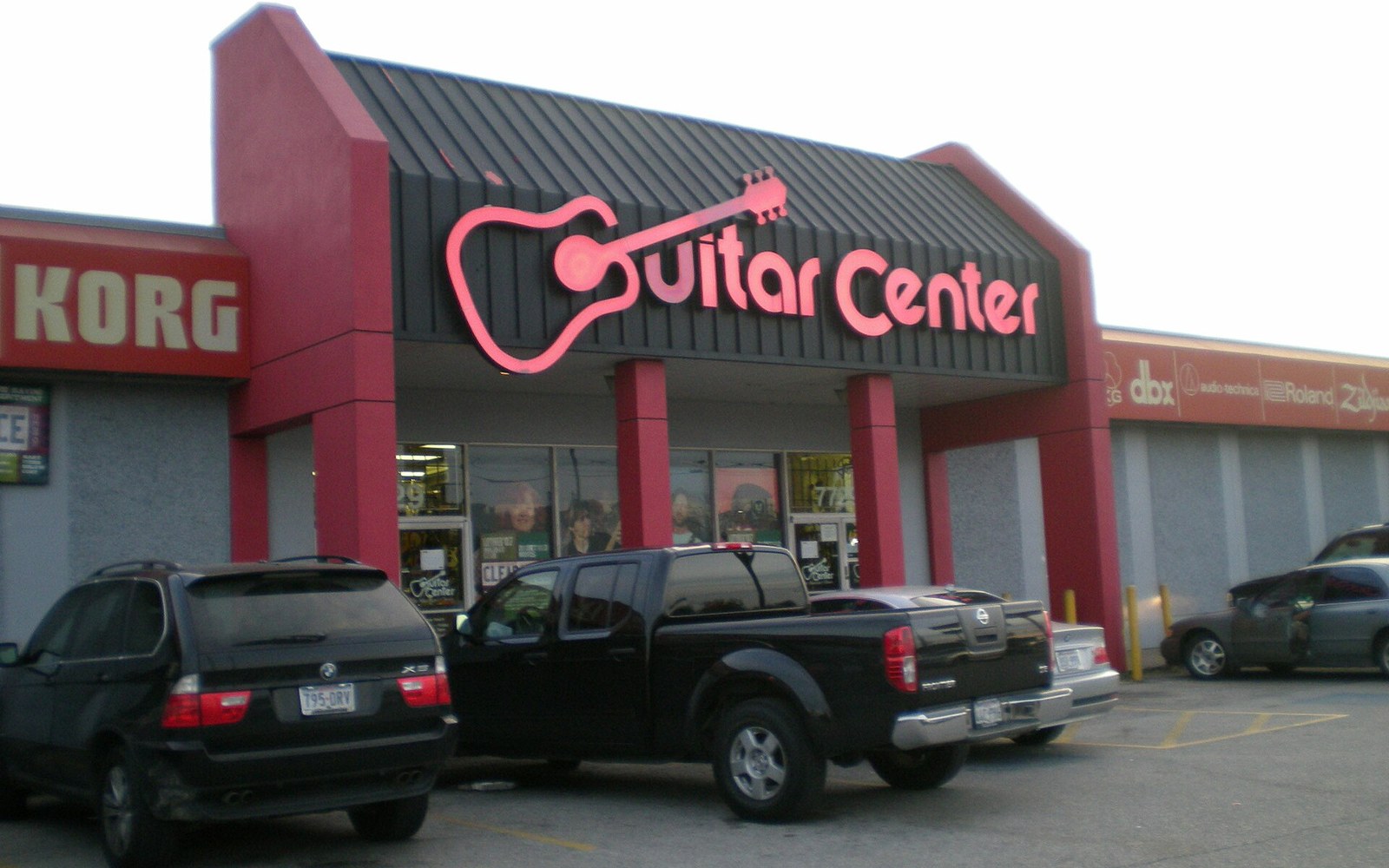
Guitar Center filed for Chapter 11 bankruptcy protection on November 21, 2020, with roughly $1.3 billion in total debt. The company had carried an outsized debt load since the private equity firm Bain Capital took it private in 2007, a leveraged buyout that saddled the retailer with obligations it never fully worked out from under. Pandemic-related store closures in early 2020 removed the revenue that had been servicing that debt, and the filing followed.
Chapter 11 is a reorganization, not a liquidation. Guitar Center kept its stores open through the process — possible partly because the filing came with a pre-arranged agreement from its major creditors to convert debt to equity rather than demand repayment. The company emerged from bankruptcy on December 18, 2020, less than four weeks after filing. That speed is unusual even for pre-negotiated Chapter 11 cases and reflected how thoroughly the deal had been structured before the courthouse step.
What Changed for the Supply Chain
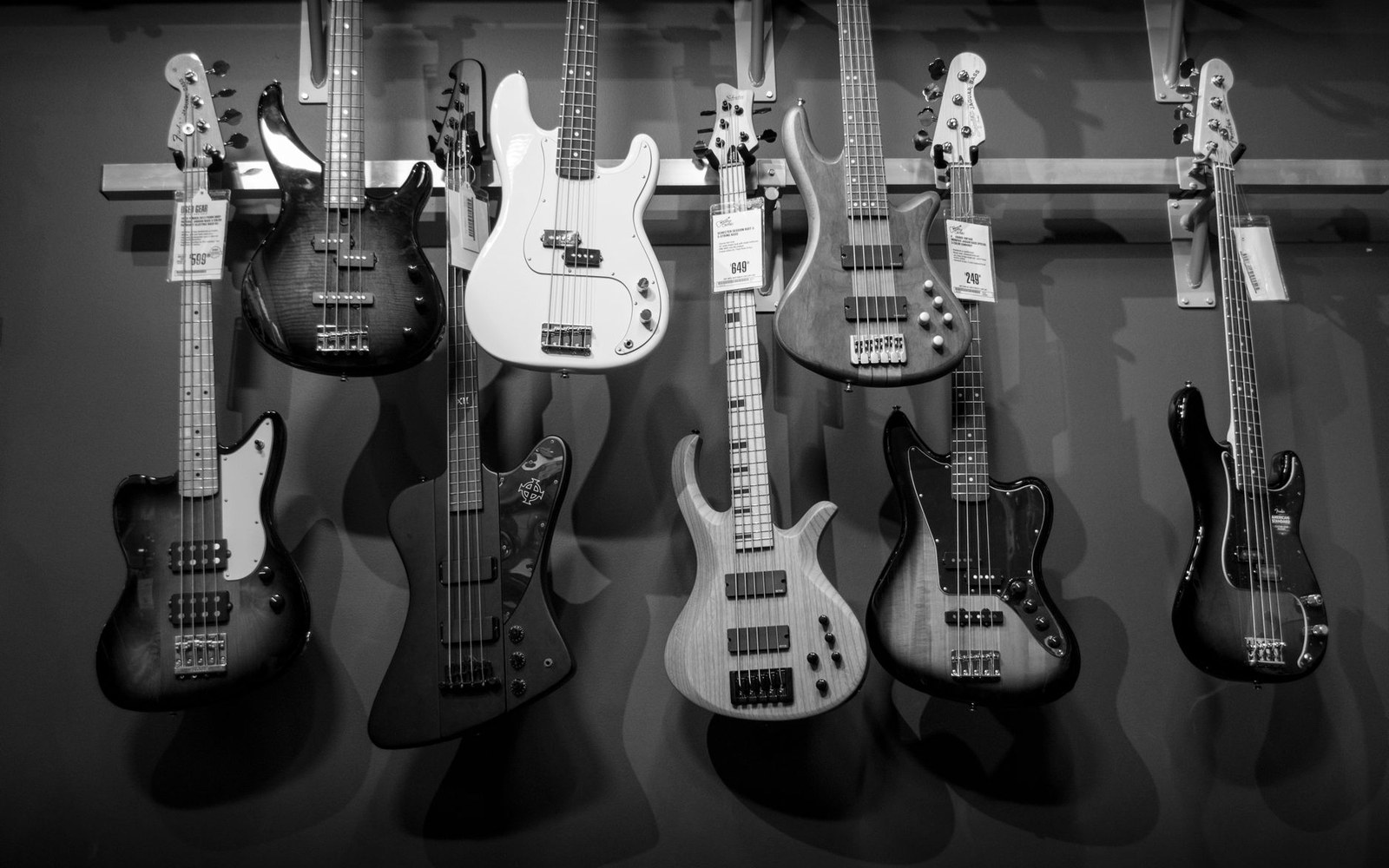
The shop wall used to set the price. Most of that work has moved to second-hand listings and their completed-sale data.
Photo: Stephen Niemeier / Pexels
The restructuring eliminated approximately $800 million in debt, leaving the company with a more serviceable balance sheet and new ownership drawn from its former creditors. Store count contracted: Guitar Center closed a number of locations during and immediately after the process, though the company did not publicly enumerate every closure as a discrete announcement. Suppliers — instrument manufacturers, string makers, amplifier brands — had been watching the company's credit closely for years, and several had already tightened terms. The emergence from bankruptcy stabilized those relationships without restoring the purchasing leverage Guitar Center held at its peak.
For the broader instrument retail market, the episode reinforced a shift already underway. Online sales of used instruments through platforms such as Reverb had been pulling price discovery away from physical retail, and the pandemic accelerated that migration. A retailer that had defined the physical mass market for bass guitars, amplifiers, and accessories since the 1990s emerged structurally smaller and with less ability to move volume terms with manufacturers.
Guitar Center's survival mattered to the supply chain; its diminishment mattered to everyone who had used its floor stock to play instruments before buying them somewhere else.