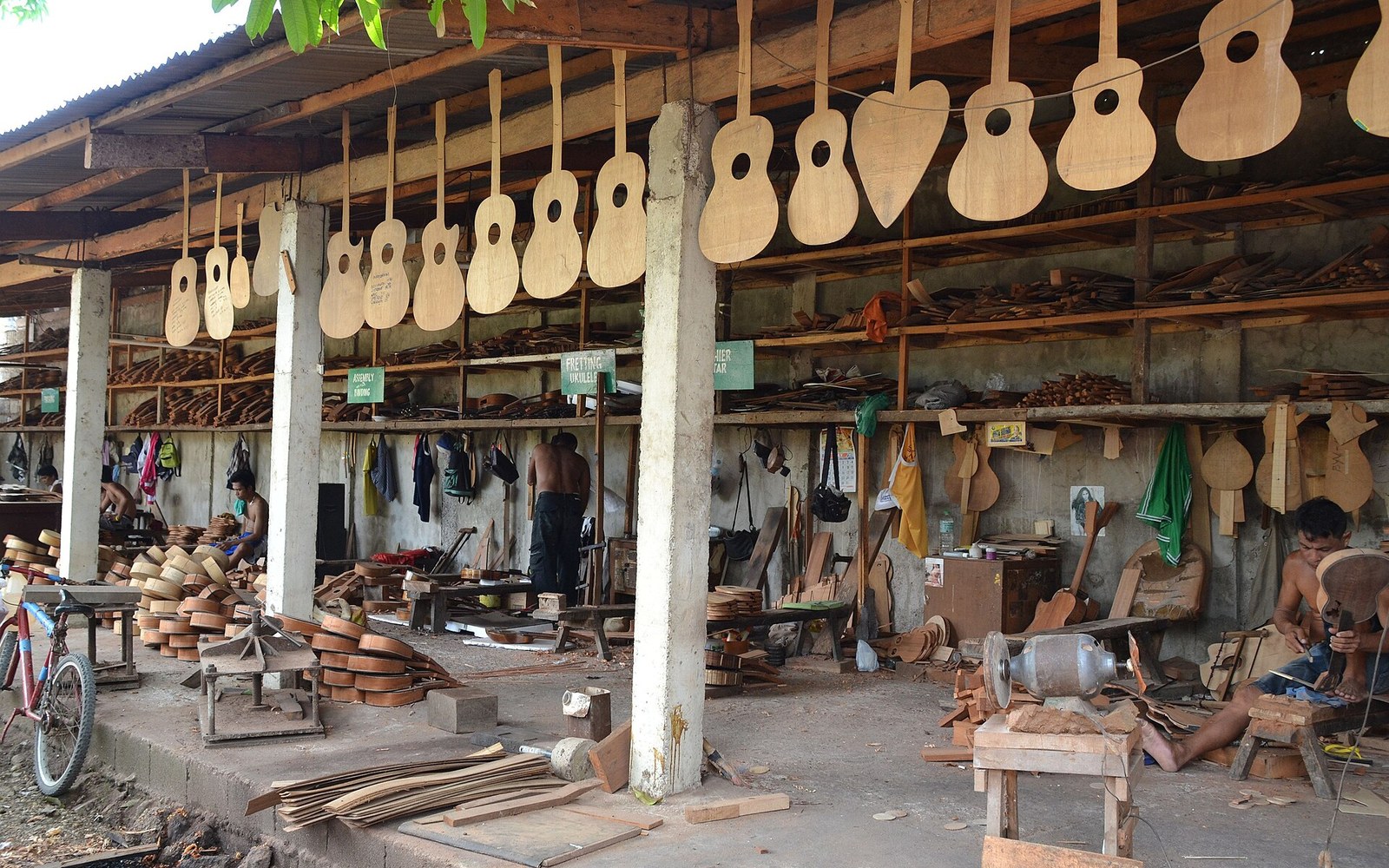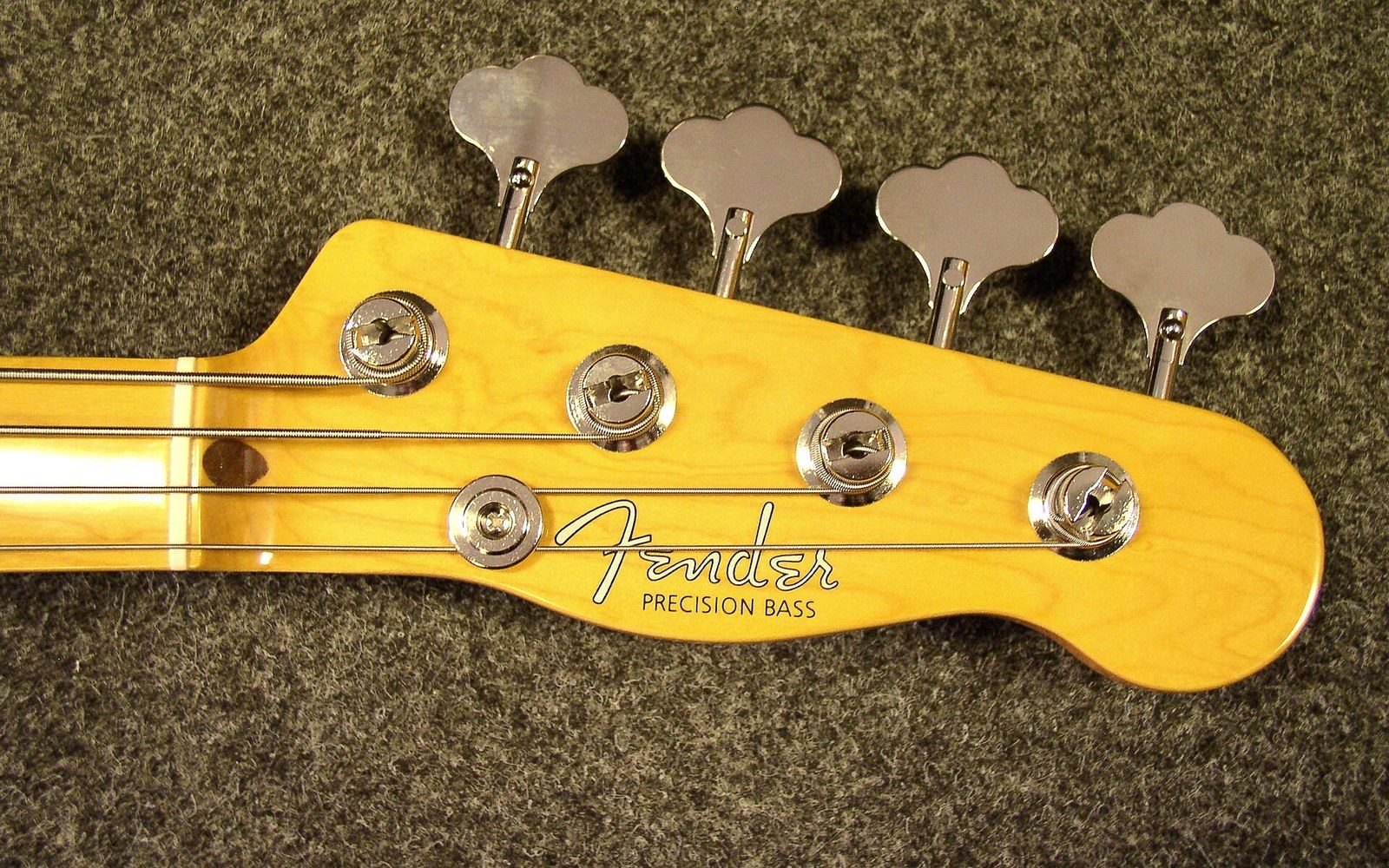
The bass guitar as an instrument, an industry and a recorded sound.
Archive
30 pieces across 6 sections. The homepage is an edit; this is the whole of it.
30 pieces

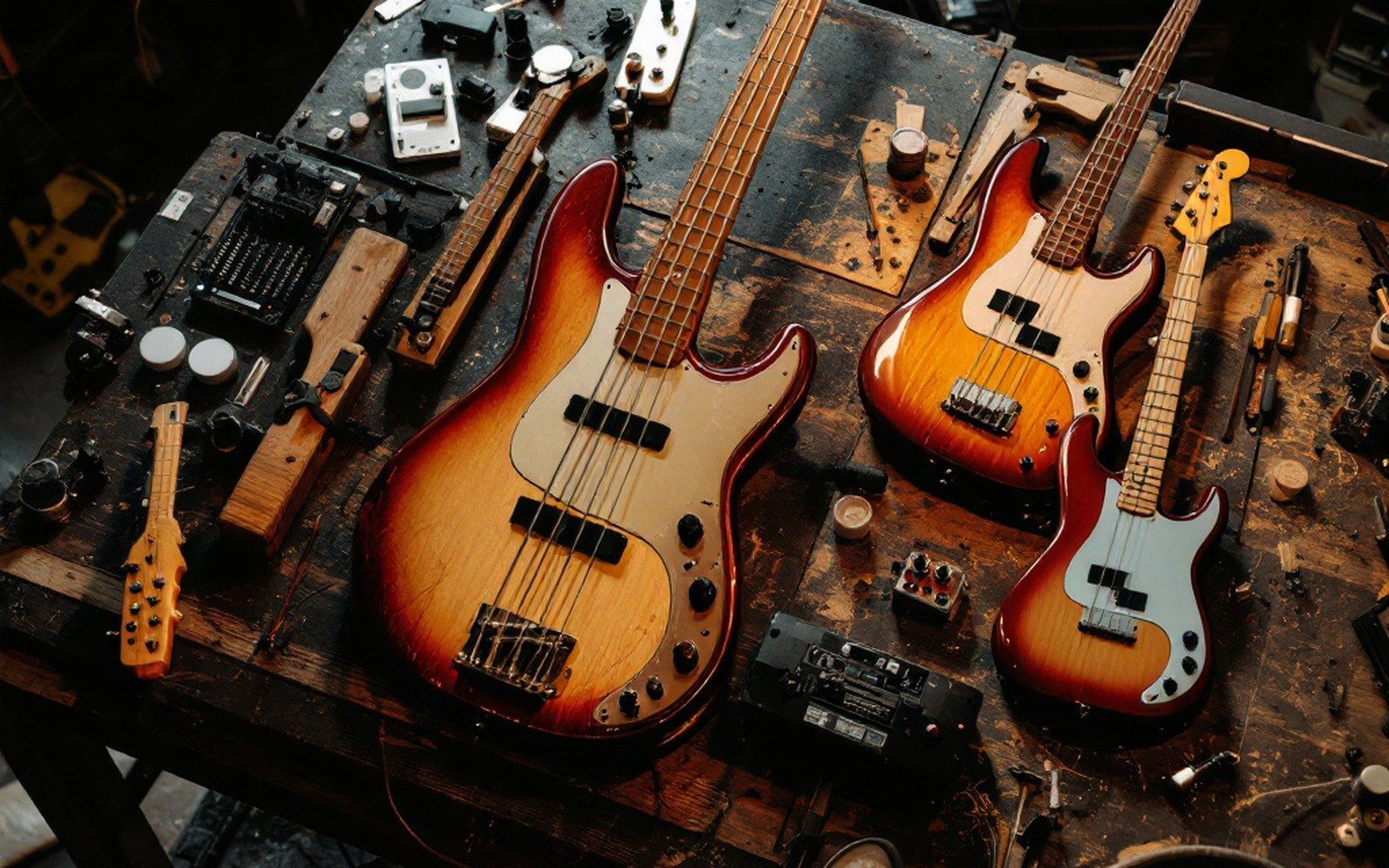
The 1957 revision of the Fender Precision — split-coil pickup, wider headstock, contoured body — is the instrument the rest of the industry has been redrawing ever since, not the 1951 original.
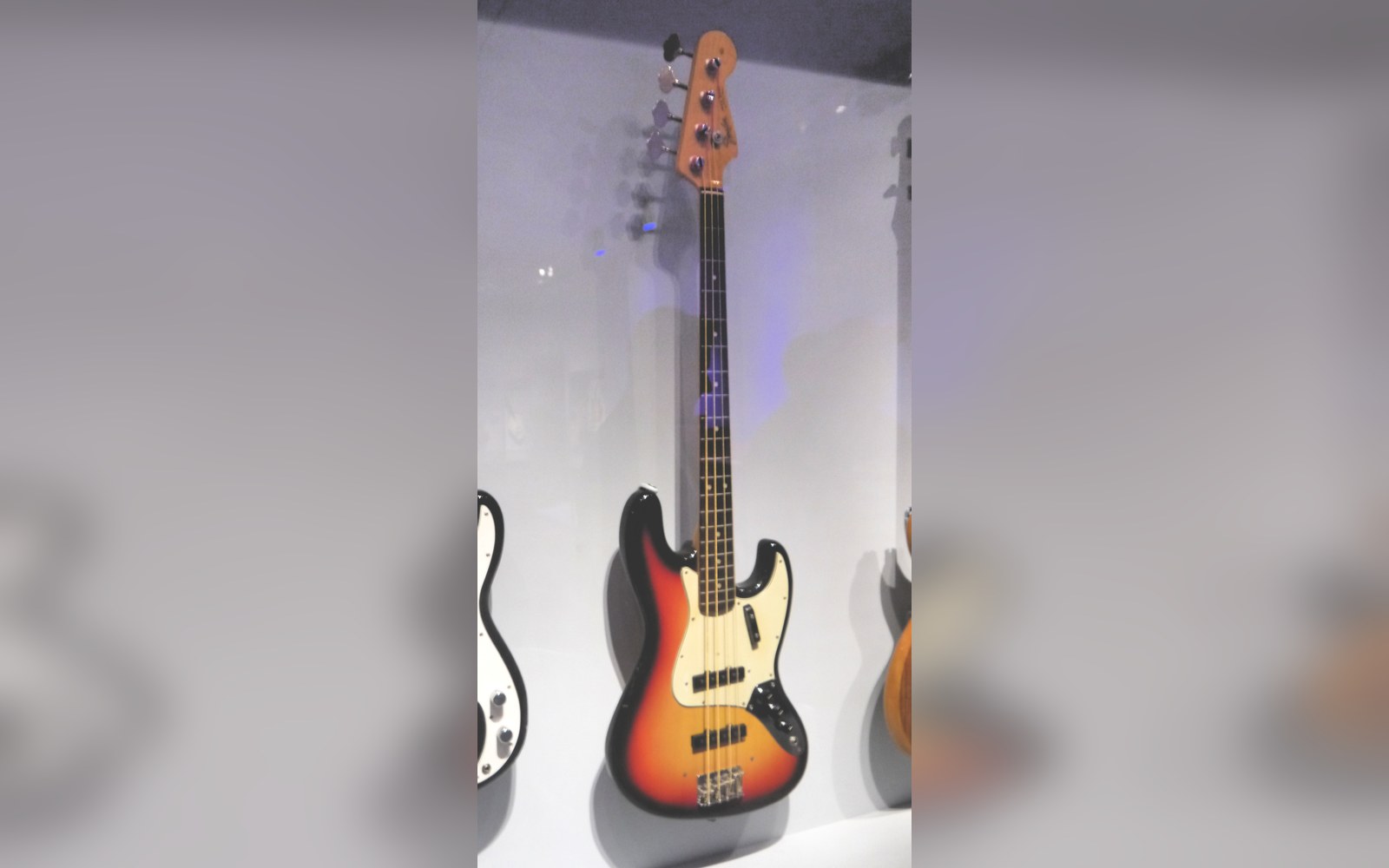
The Fender Jazz Bass arrived in 1960 with a narrower nut, an offset waist and a bridge pickup — and guitar players took to it immediately.
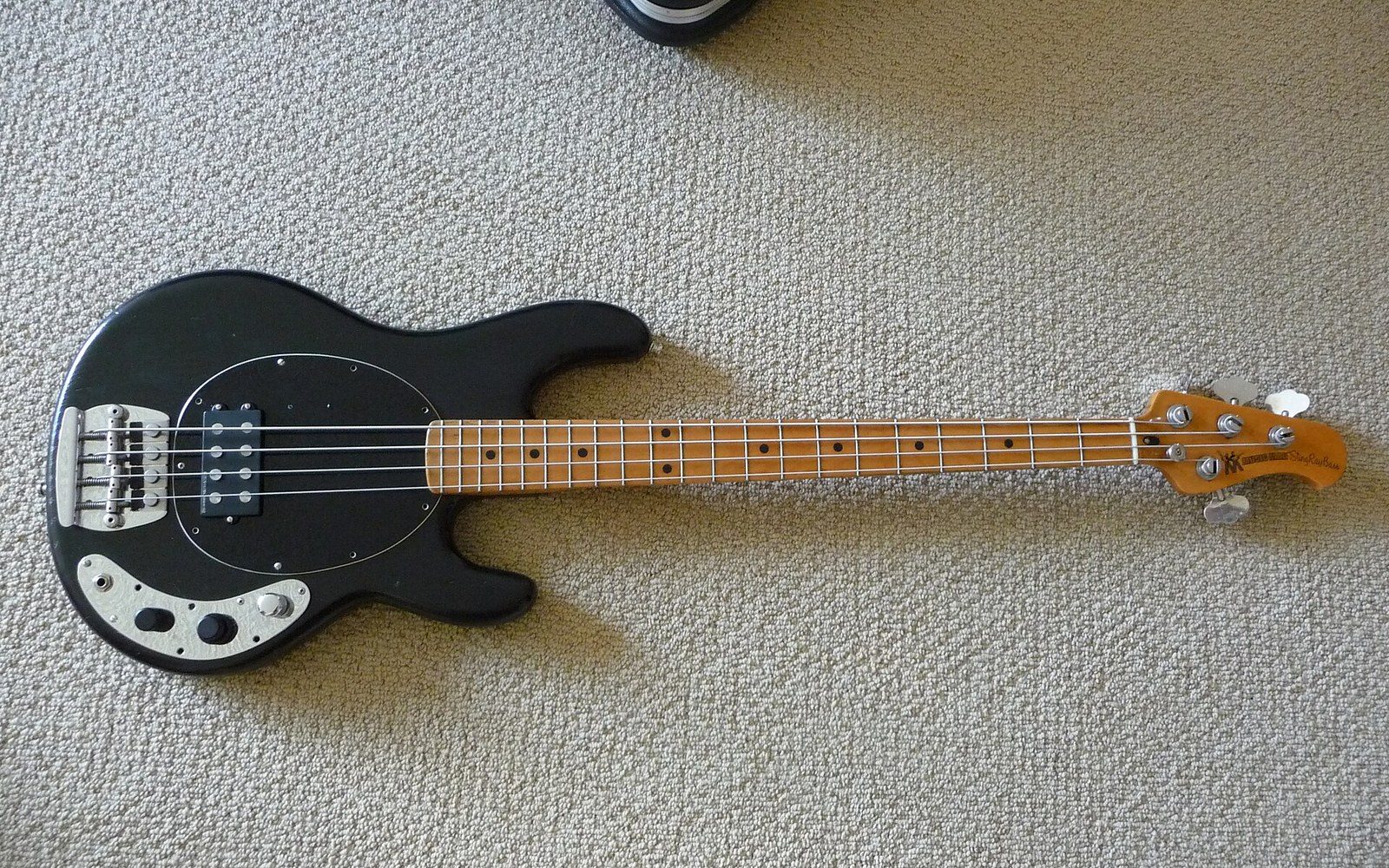
The Music Man StingRay of 1976 was Leo Fender's second attempt at correcting his own instrument — this time with an onboard preamp that gave the bass a top end it had not previously had.
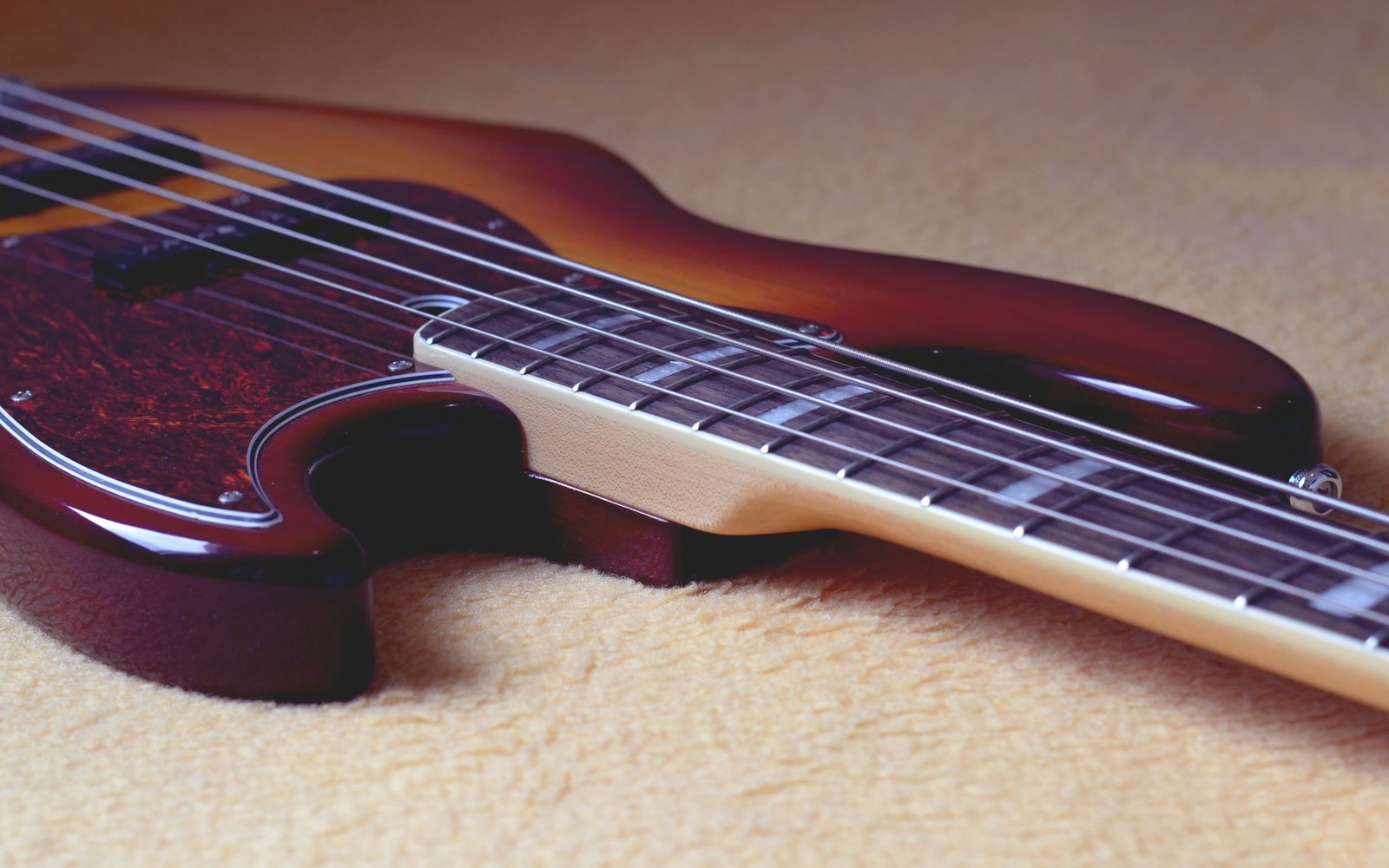
The Rickenbacker 4001 and 4003 use a neck-through construction and a stereo output that most players never wired correctly.
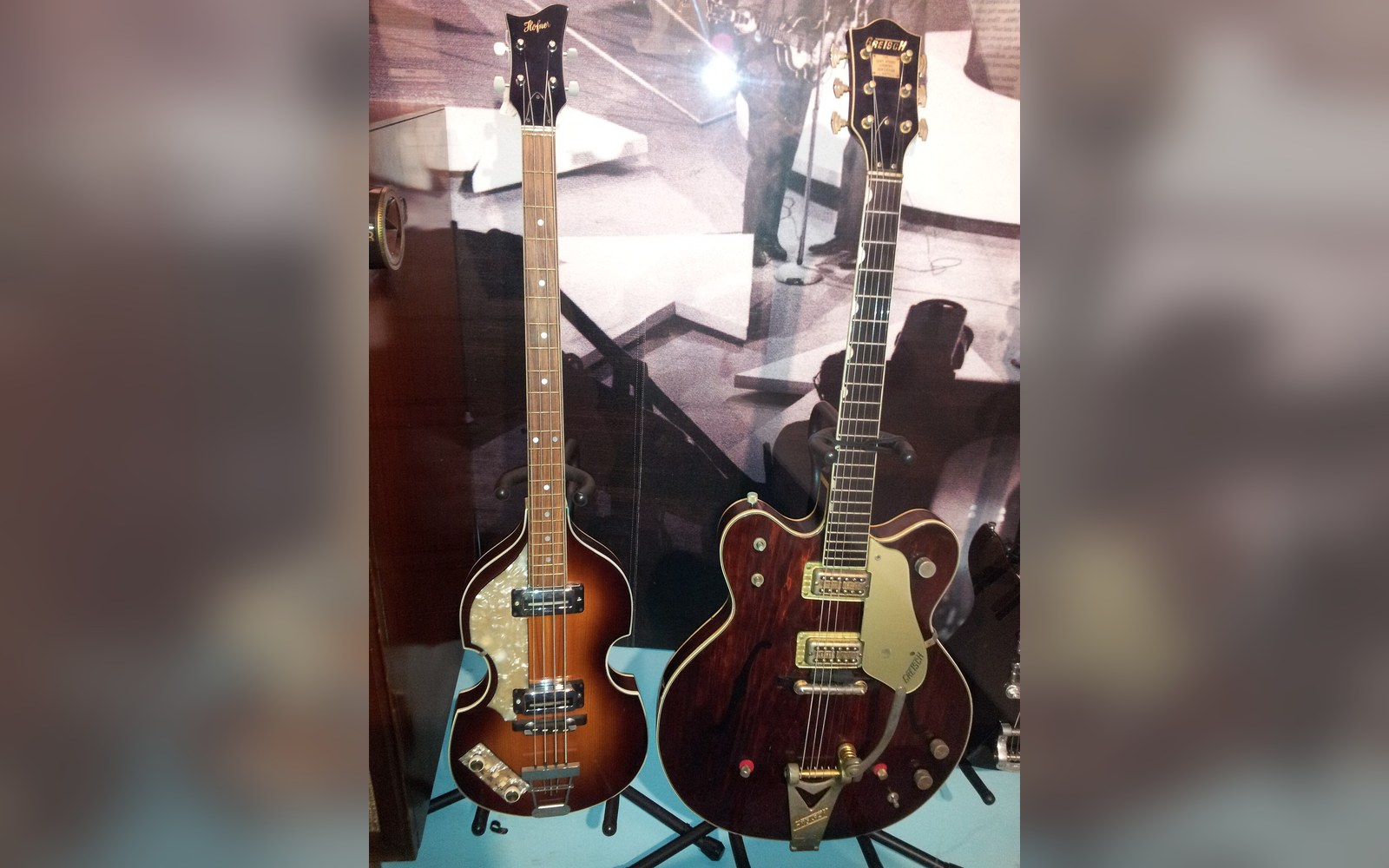
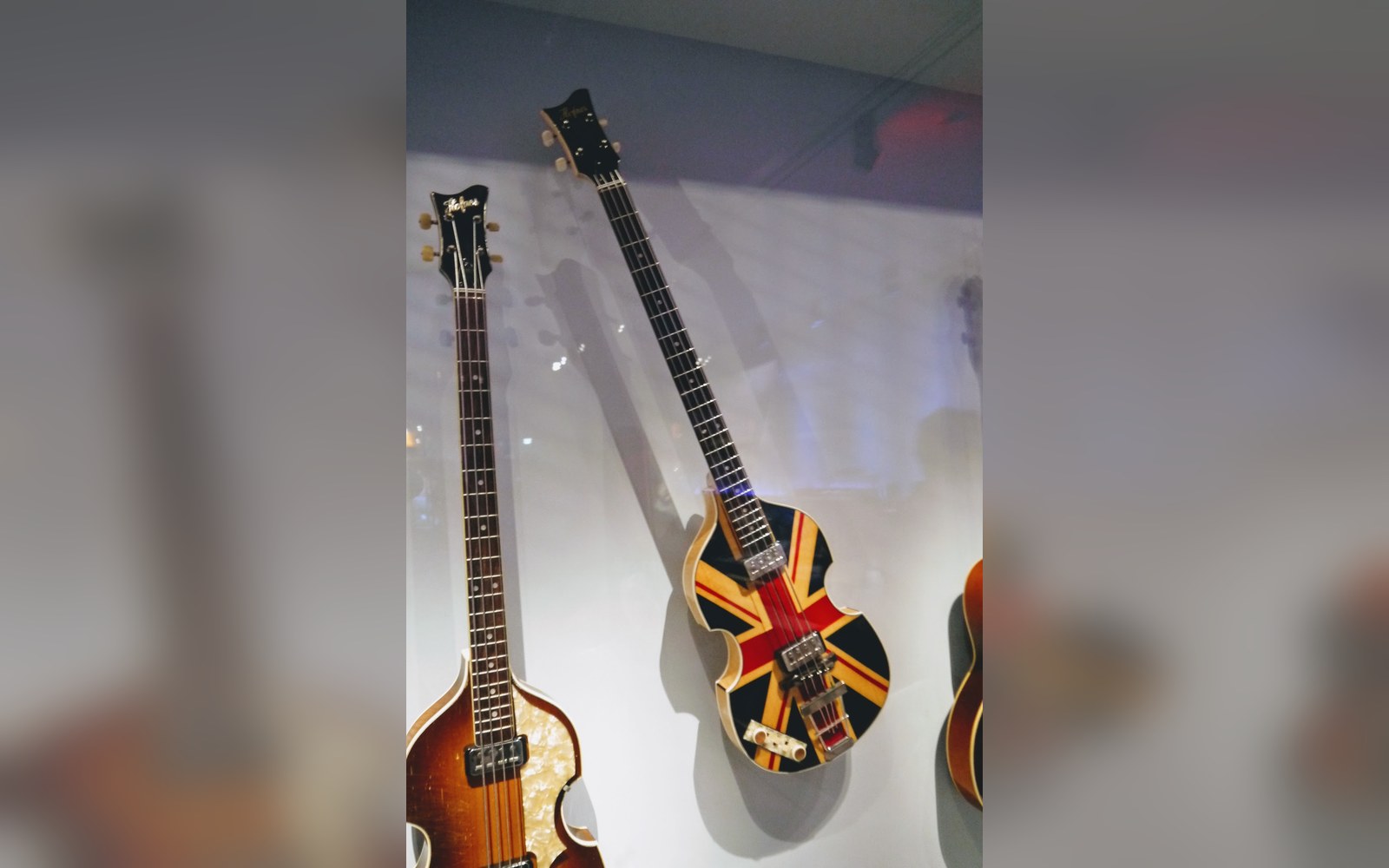
The Höfner 500/1 is a hollow violin-body bass built in Bubenreuth, Germany, that became the instrument Paul McCartney used because it was left-hand symmetrical and cheap.

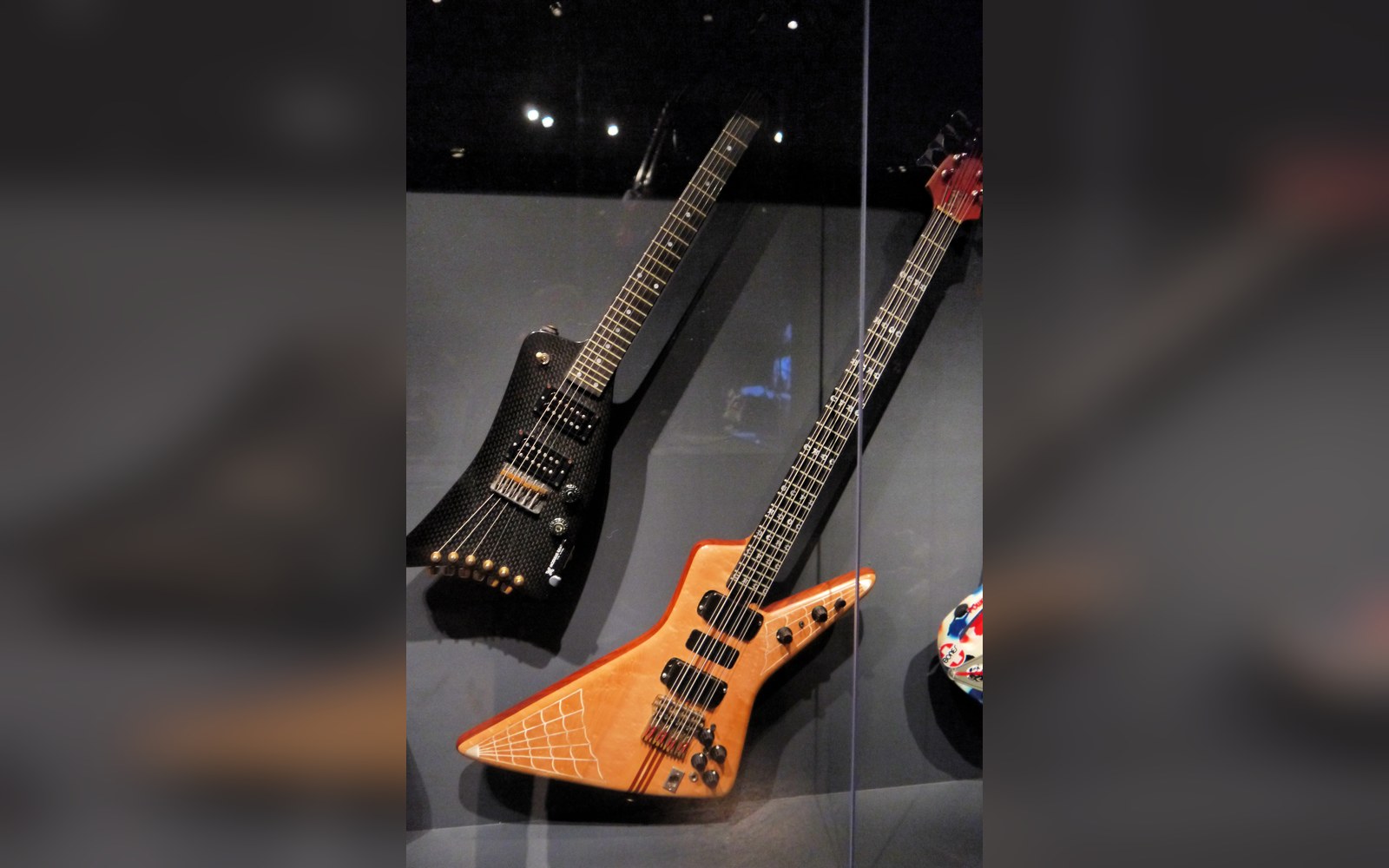
Dingwall's fanned-fret system — derived from Novax patents — sets each string at a different speaking length, giving the low B a longer scale than the G.
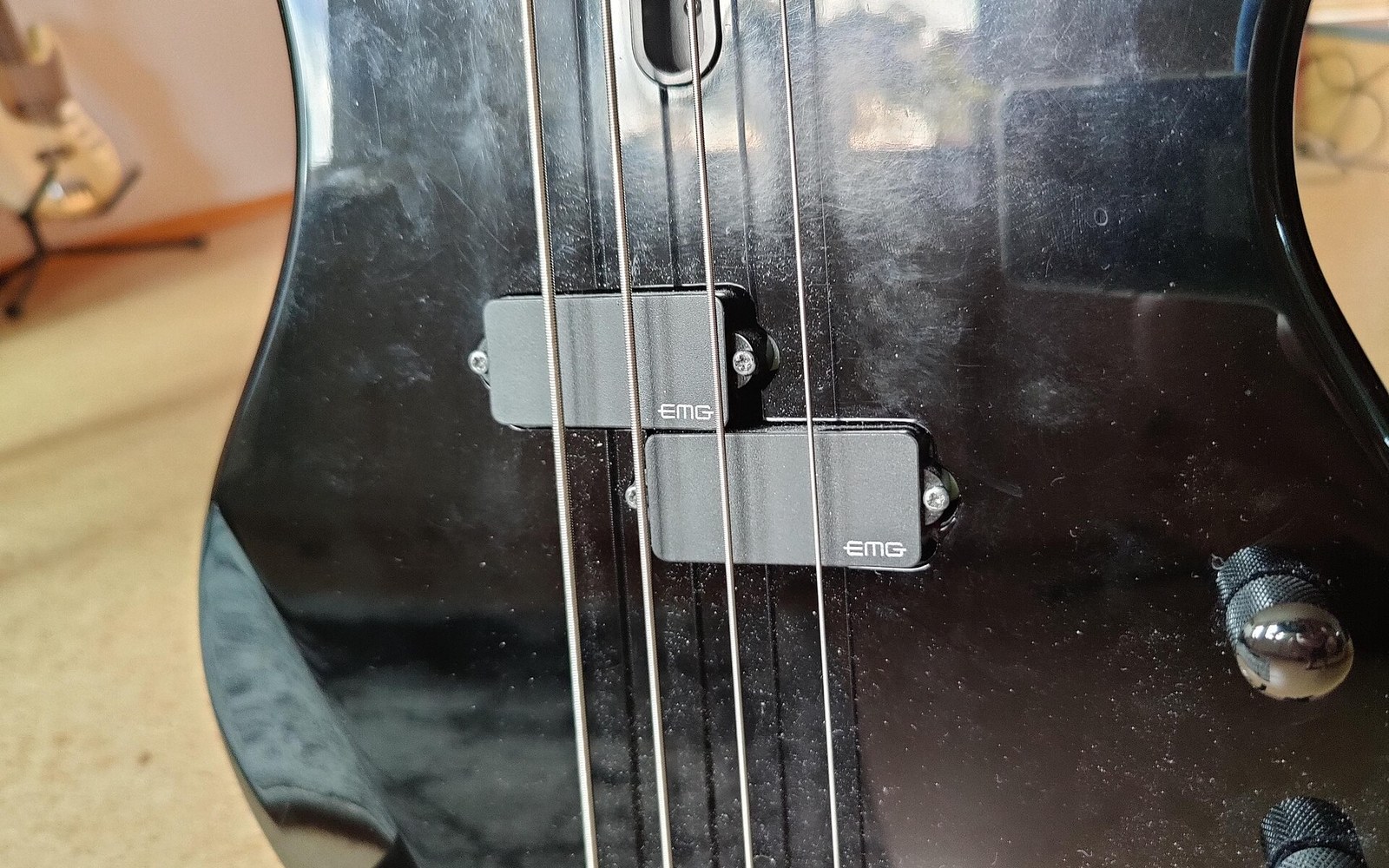
The instrument Jaco Pastorius called the Bass of Doom was a 1962 Fender Jazz he defretted himself and finished with marine epoxy — and it is now at the Bass Museum in Miami.
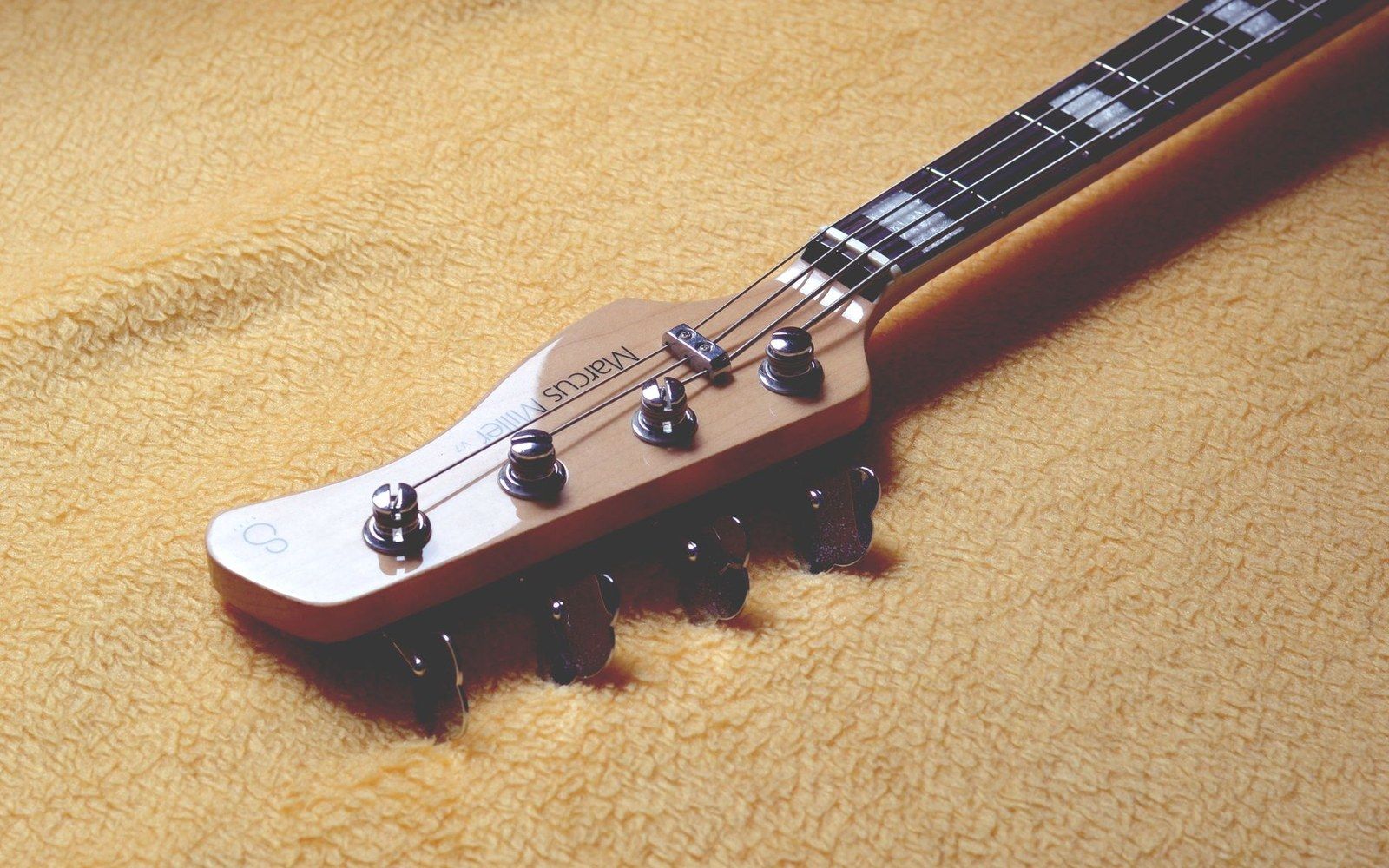
The five-string bass entered production in the early 1980s — the Fender Bass V being an early and failed attempt, the Music Man StingRay 5 a later, successful one — and the low B has divided players on tension, tone and neck width ever since.
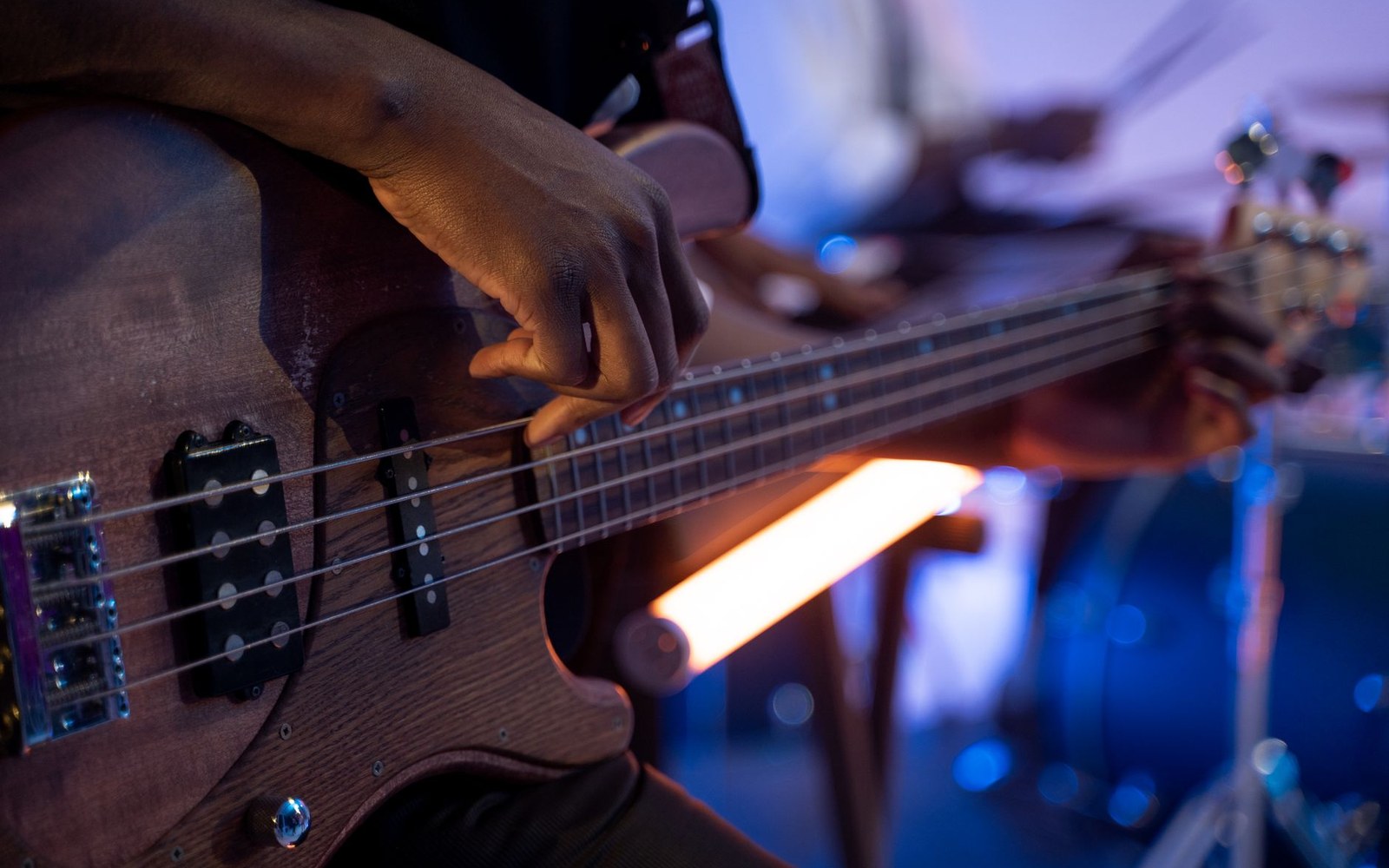
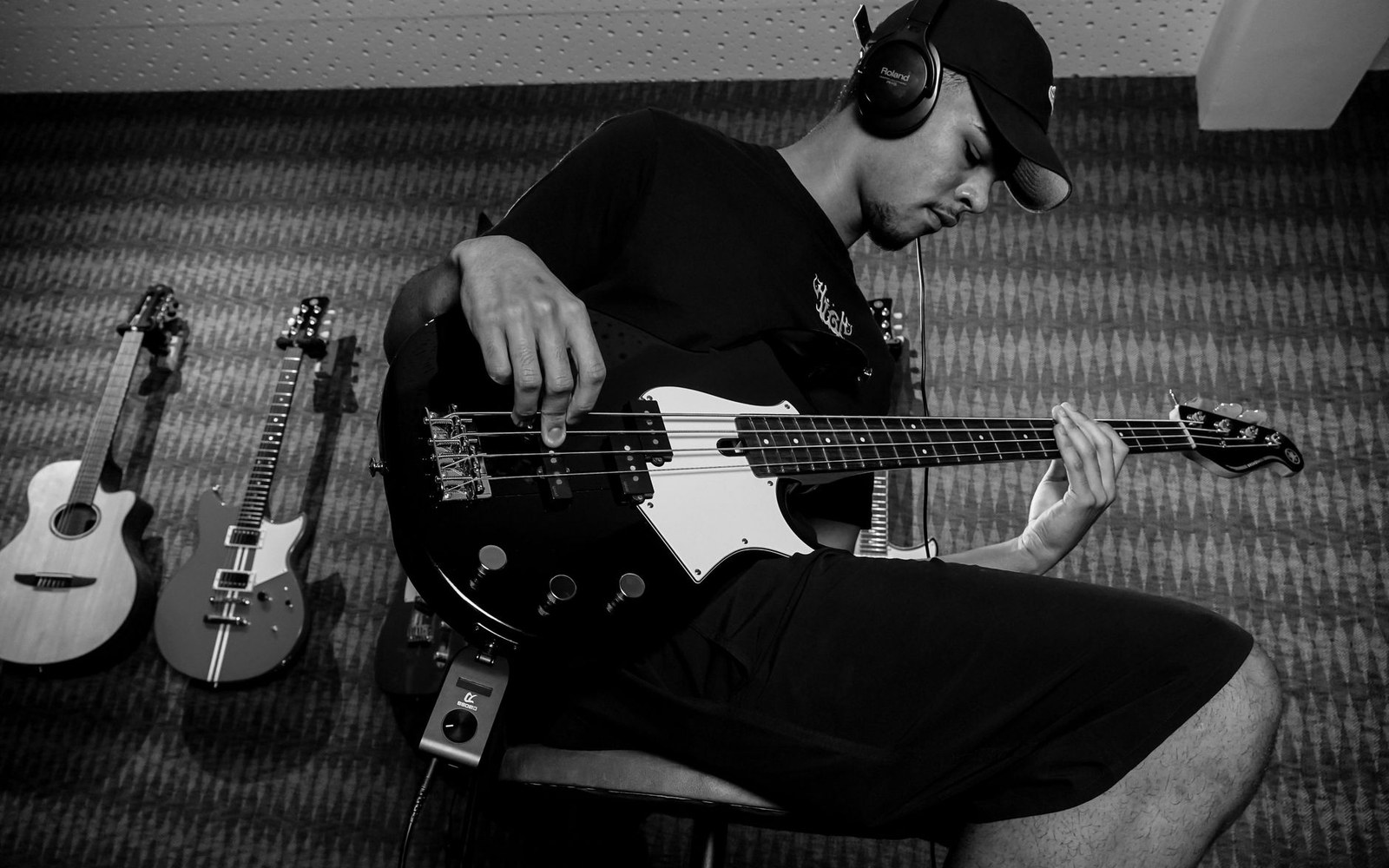
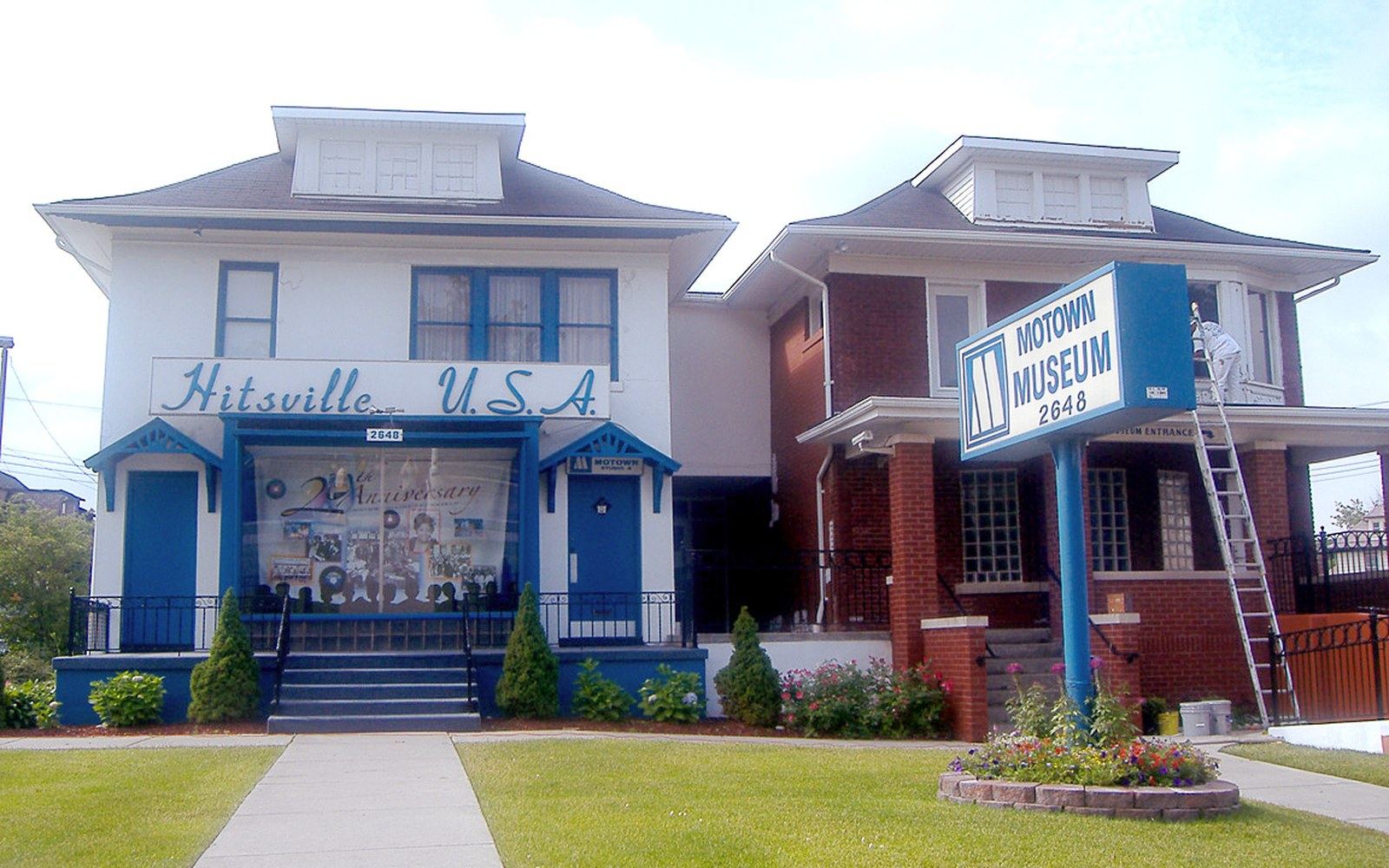
James Jamerson played the Motown catalogue on a 1962 Precision with flatwound strings he was reluctant to change — the accumulated grime and looseness of those strings is part of the recorded sound.

Carol Kaye was a guitarist on the Wrecking Crew sessions who picked up a bass in 1963 and played on more recorded tracks than almost anyone — the debate about which sessions she played versus Jamerson remains unresolved.

Weather Report's Heavy Weather (1977) put Jaco Pastorius's fretless Bass of Doom in front of a mainstream jazz audience, and the harmonics on 'Teen Town' had players pulling frets out of their own instruments within months.

John Entwistle's request to Rotosound for a roundwound bass string produced the Swing Bass 66 set and changed the recorded character of the instrument permanently — everything bright about rock bass comes out of that exchange.

Paul McCartney's 1963 Höfner 500/1 — the instrument on most of the early Beatles recordings — disappeared after a 1972 rehearsal and was recovered in 2024.

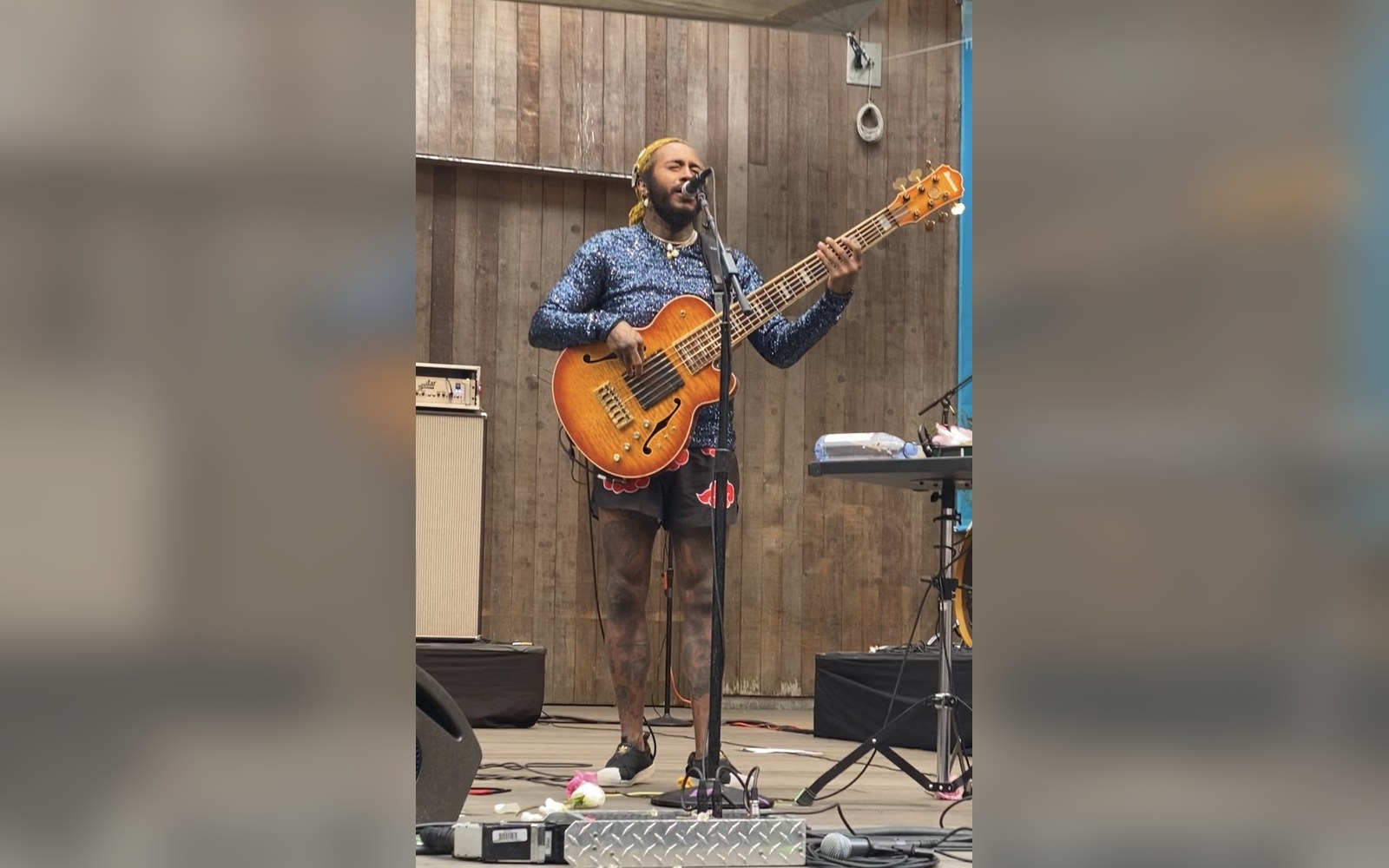
Thundercat — Stephen Bruner — plays a six-string Ibanez and has made the bass a lead melodic instrument on recordings with Kendrick Lamar and Flying Lotus without the instrument ceasing to function as a bass.

Pino Palladino recorded Paul Young's 'Wherever I Lay My Head' on fretless in 1983 and has since appeared on D'Angelo's Voodoo, Who records and D'Angelo's Black Messiah — switching between fretless, electric and upright without a consistent instrument identity.

The Ampeg B-15 Portaflex became the studio standard in the 1960s — its single 15-inch speaker and tube preamp is the amplified sound on most of what Jamerson recorded — while the SVT of 1969, an 8×10 cabinet and 300 watts, was built for Woodstock.

The Motown house engineers in Studio A, Detroit, were running bass signals directly into the console in the early 1960s — decades before DI recording became standard practice.

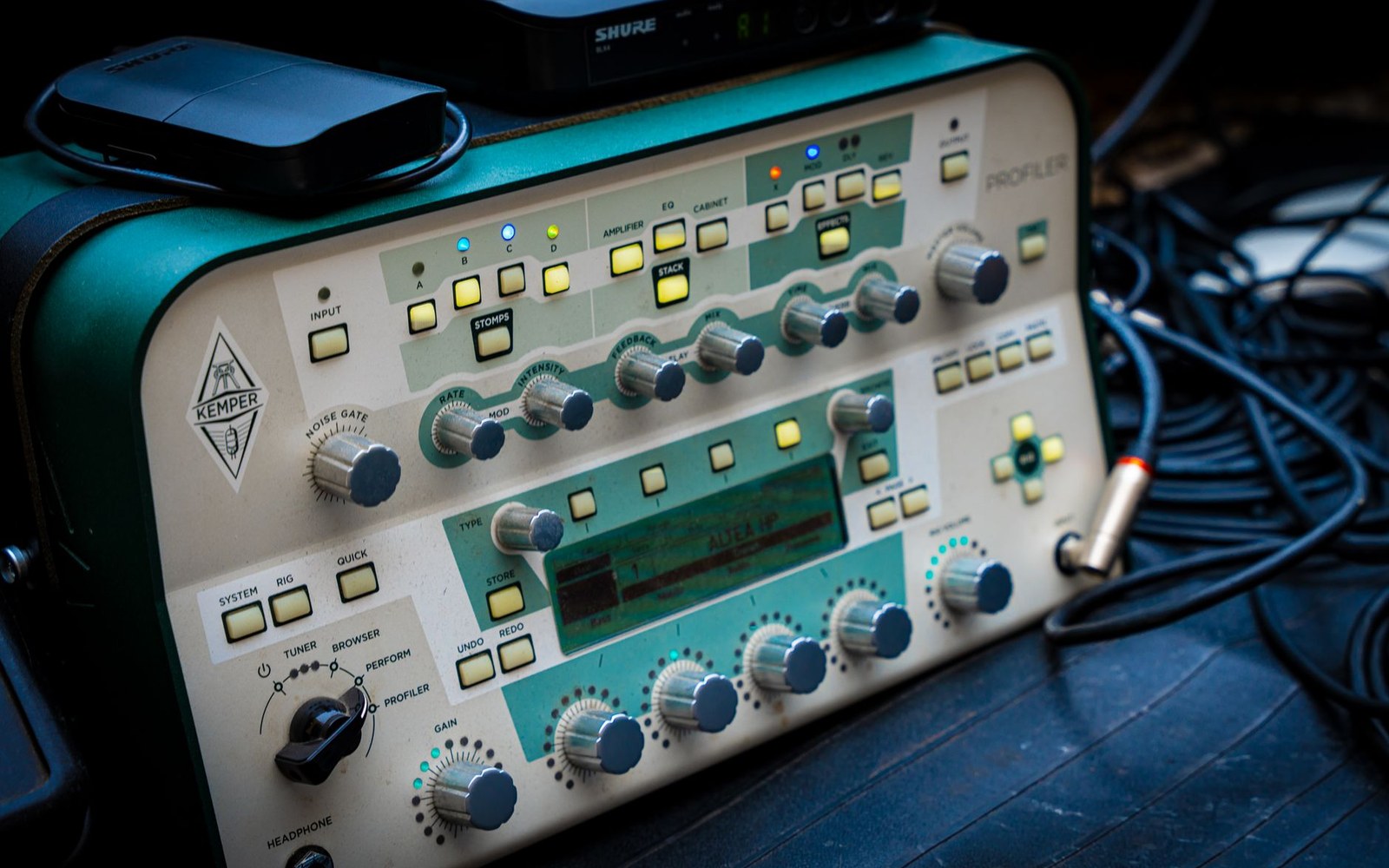
Line 6 Helix, the Kemper Profiler and the Neural DSP Quad Cortex each approach the same problem differently: how to reproduce the character of an amplifier without the amplifier being present.

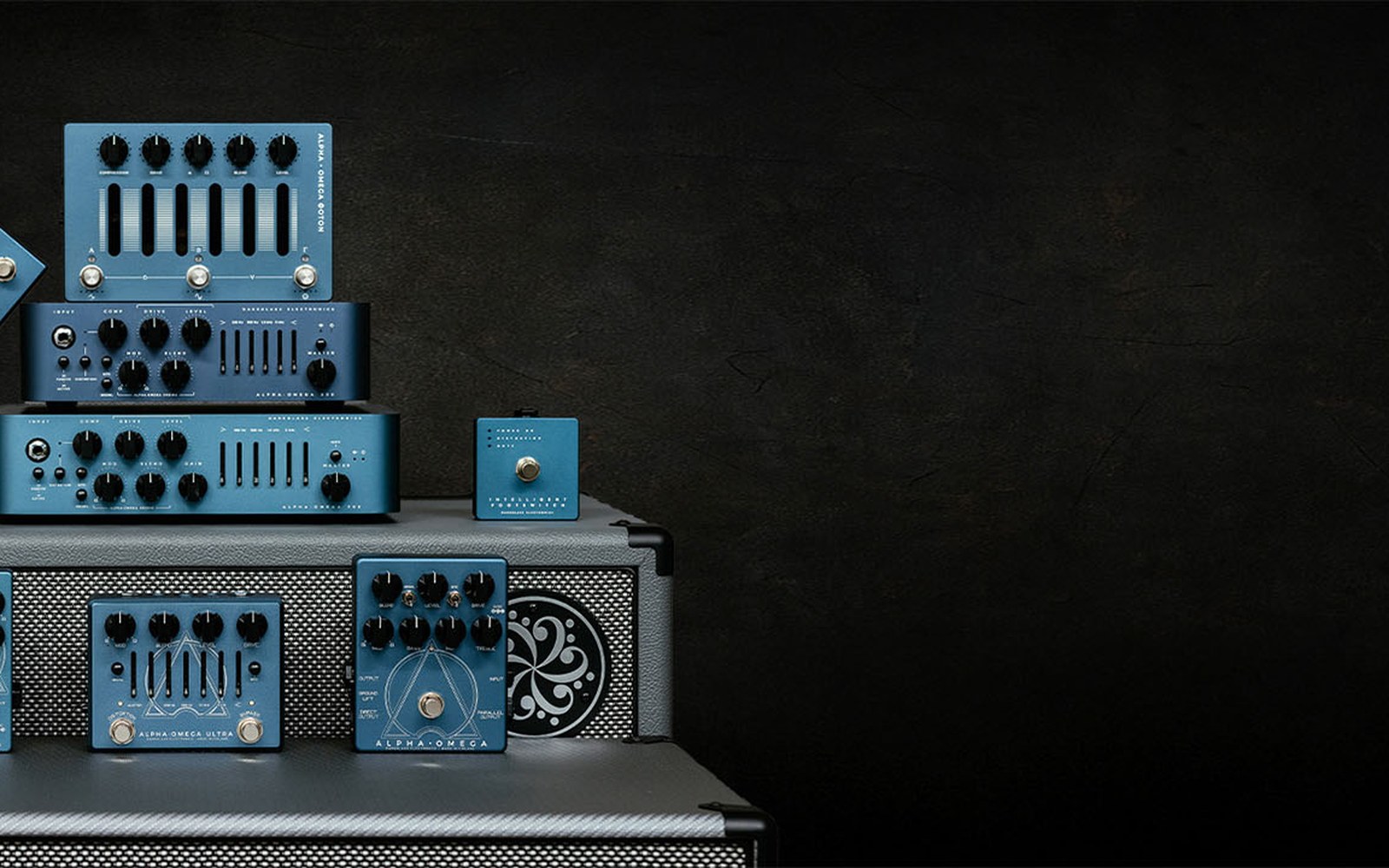
Darkglass Electronics, founded in Helsinki in 2010, built a preamp and overdrive pedal — the B3K — that has become the default 'modern bass' tone in metal and progressive rock.

The DI box converts a high-impedance instrument signal to a low-impedance balanced line — a function the Countryman Type 85 has performed on more major-label recordings than any other single device.

Flatwound strings were standard on bass guitars until Rotosound's Swing Bass 66 set arrived in the mid-1960s and roundwound steel became an option — and then, slowly, the default.

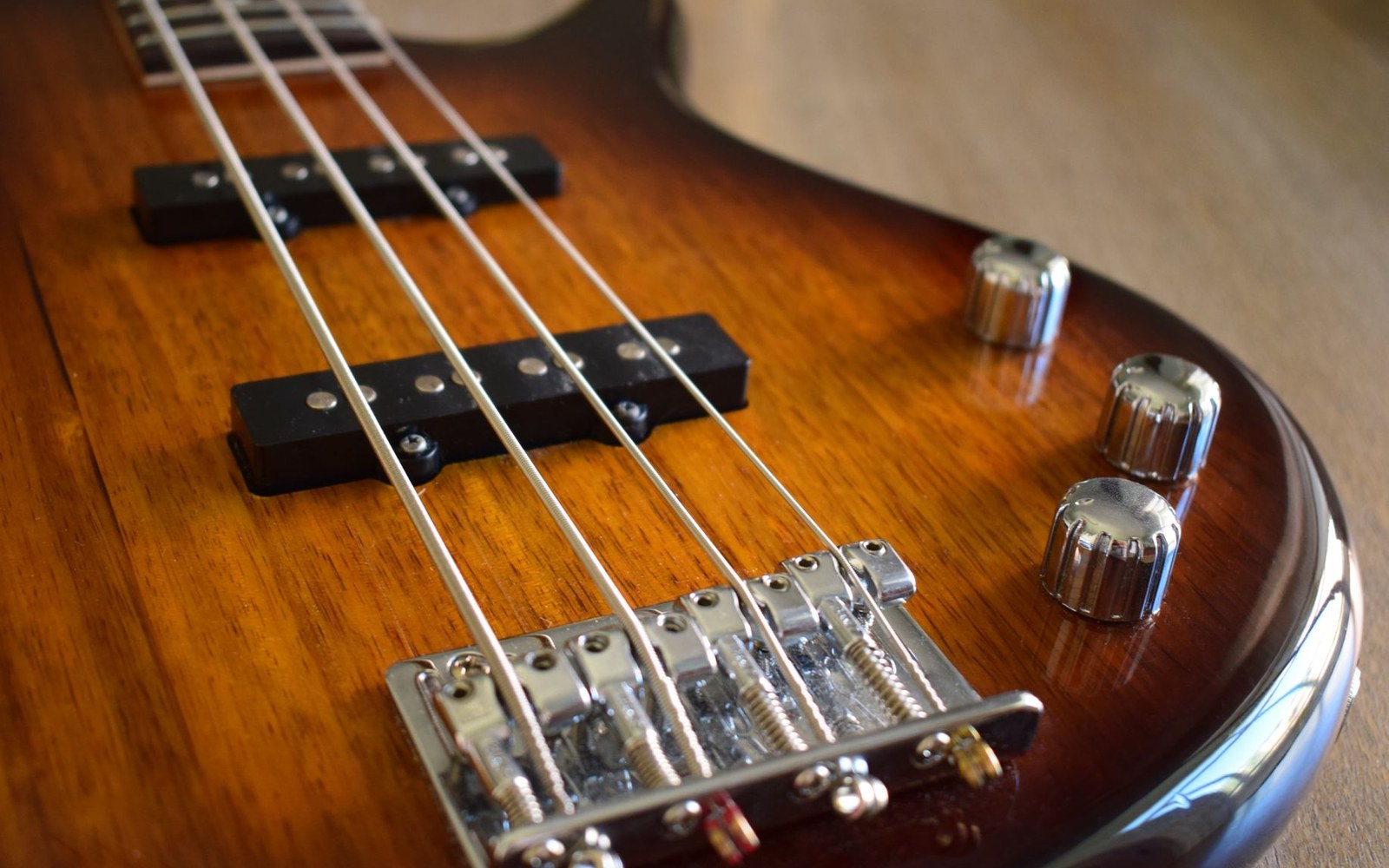
The split-coil Precision pickup is two halves of a humbucker staggered along the string path — each coil sits under two strings, cancels hum and produces a mid-range peak that sits in the mix without equalisation.

The active preamp — first in the Music Man StingRay, then retrofitted to everything from Fender Jazz copies to boutique instruments — changed the relationship between pickup output and onboard EQ.

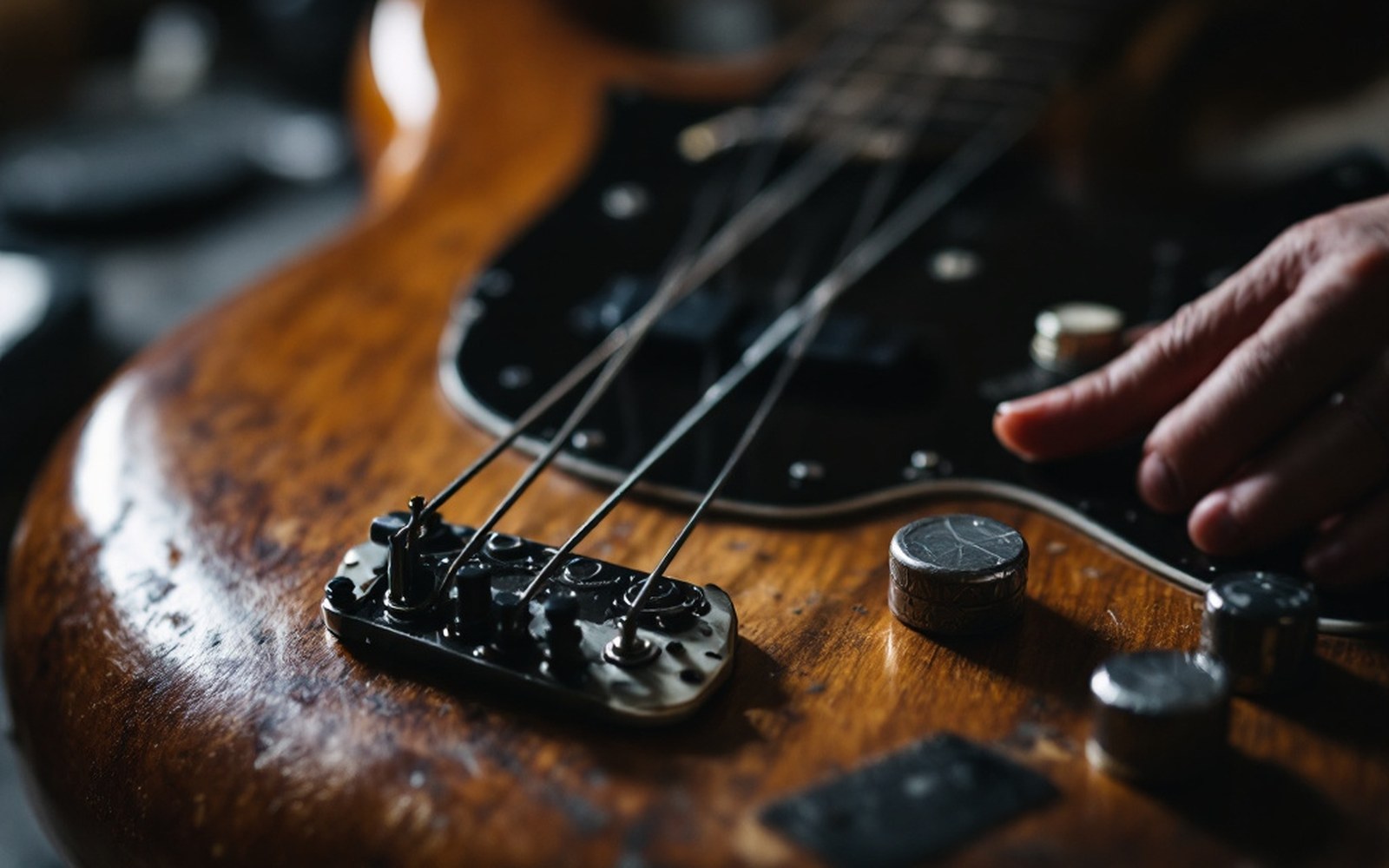
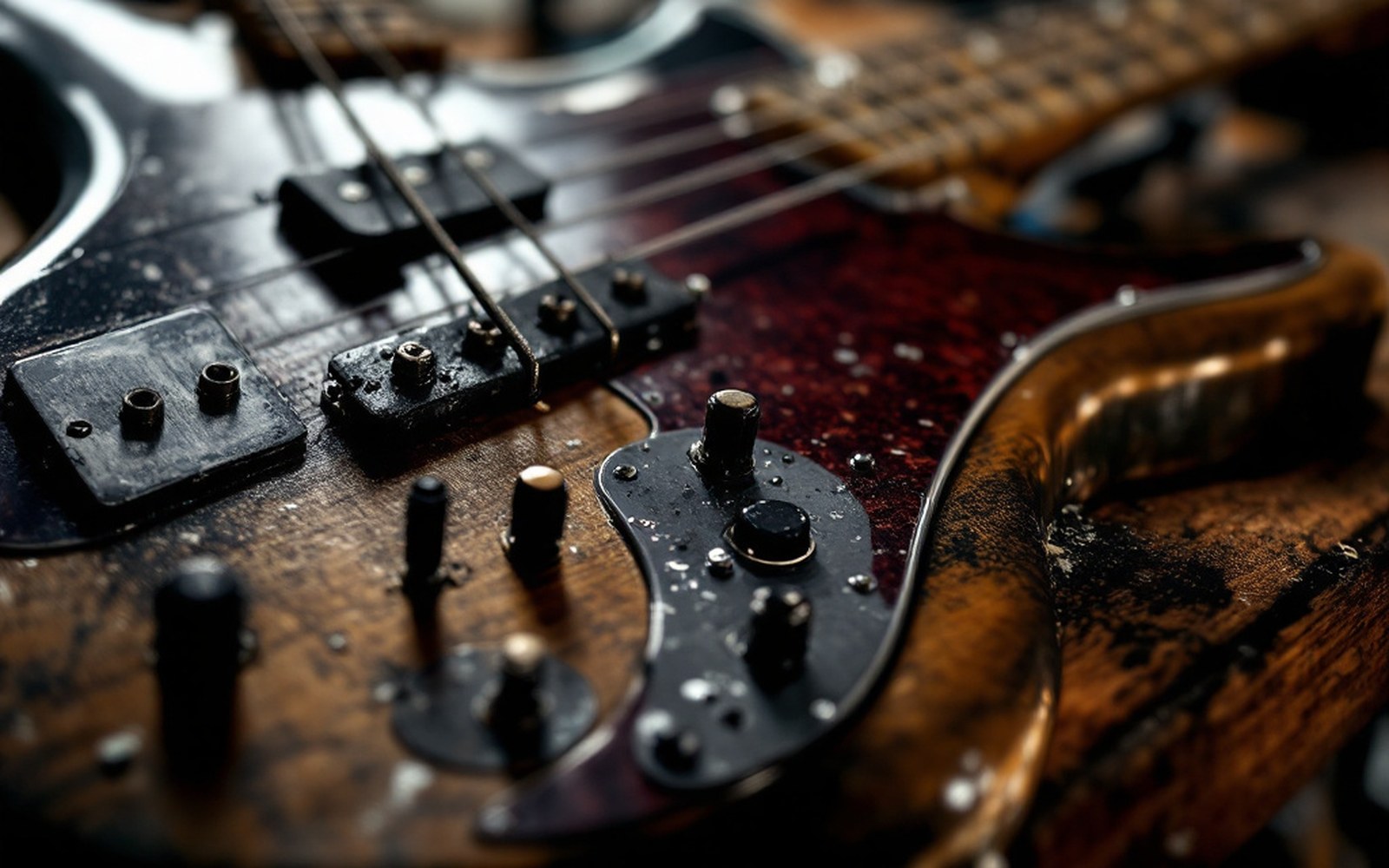
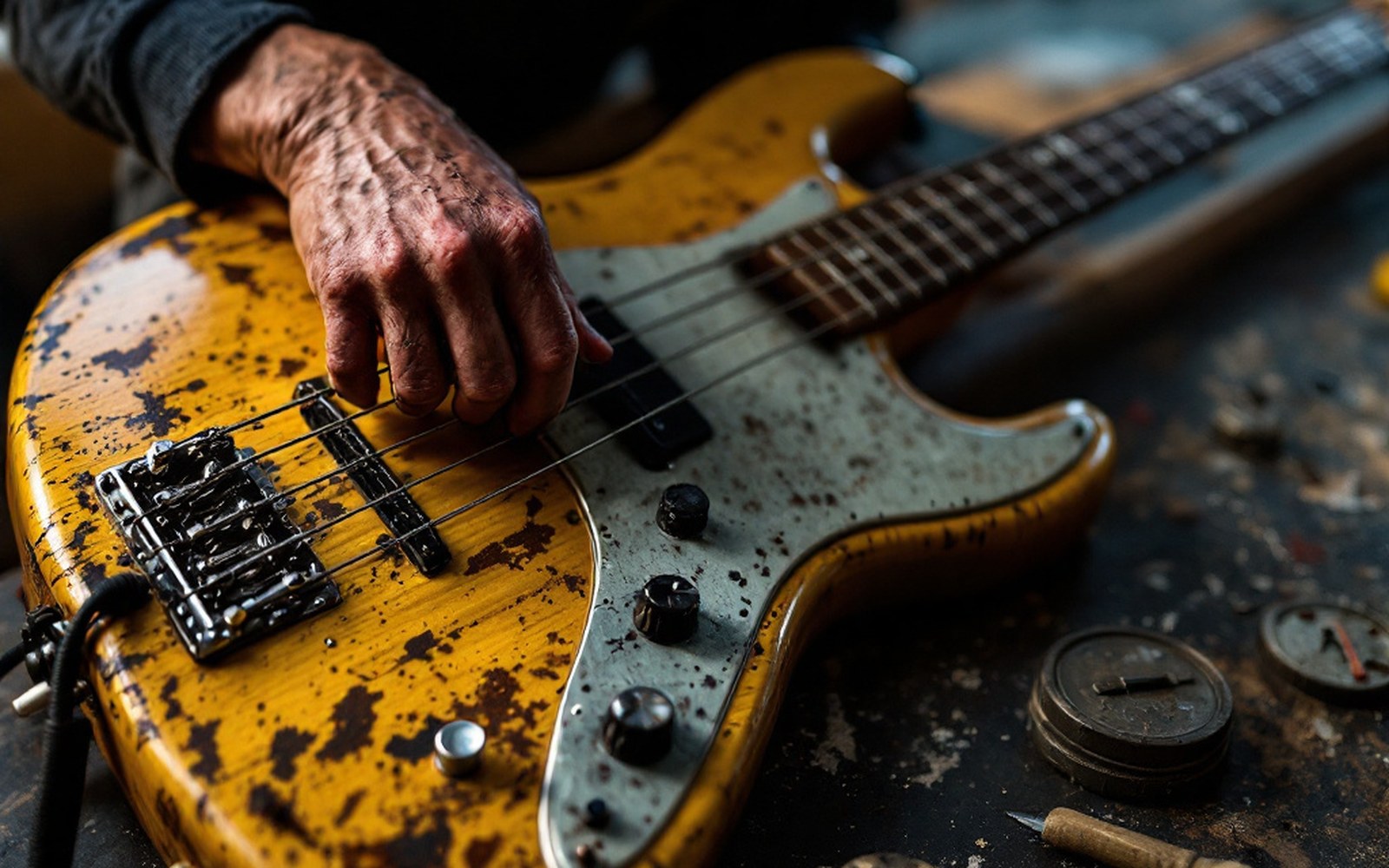
Fender's Custom Shop relic'ing process artificially reproduces fifty years of stage and studio wear on a new instrument — scratches, checking lacquer, worn frets, oxidised hardware — and the question of whether that is preservation or fabrication has animated the vintage-parts market for thirty years.

Reverb's sold-listings data has become the effective price index for bass guitars — more current and more granular than any dealer catalogue — and it shows patterns that the retail price lists do not: which Fender lines depreciate fastest, where the Japanese instruments hold value, and what a Sadowsky actually trades for.

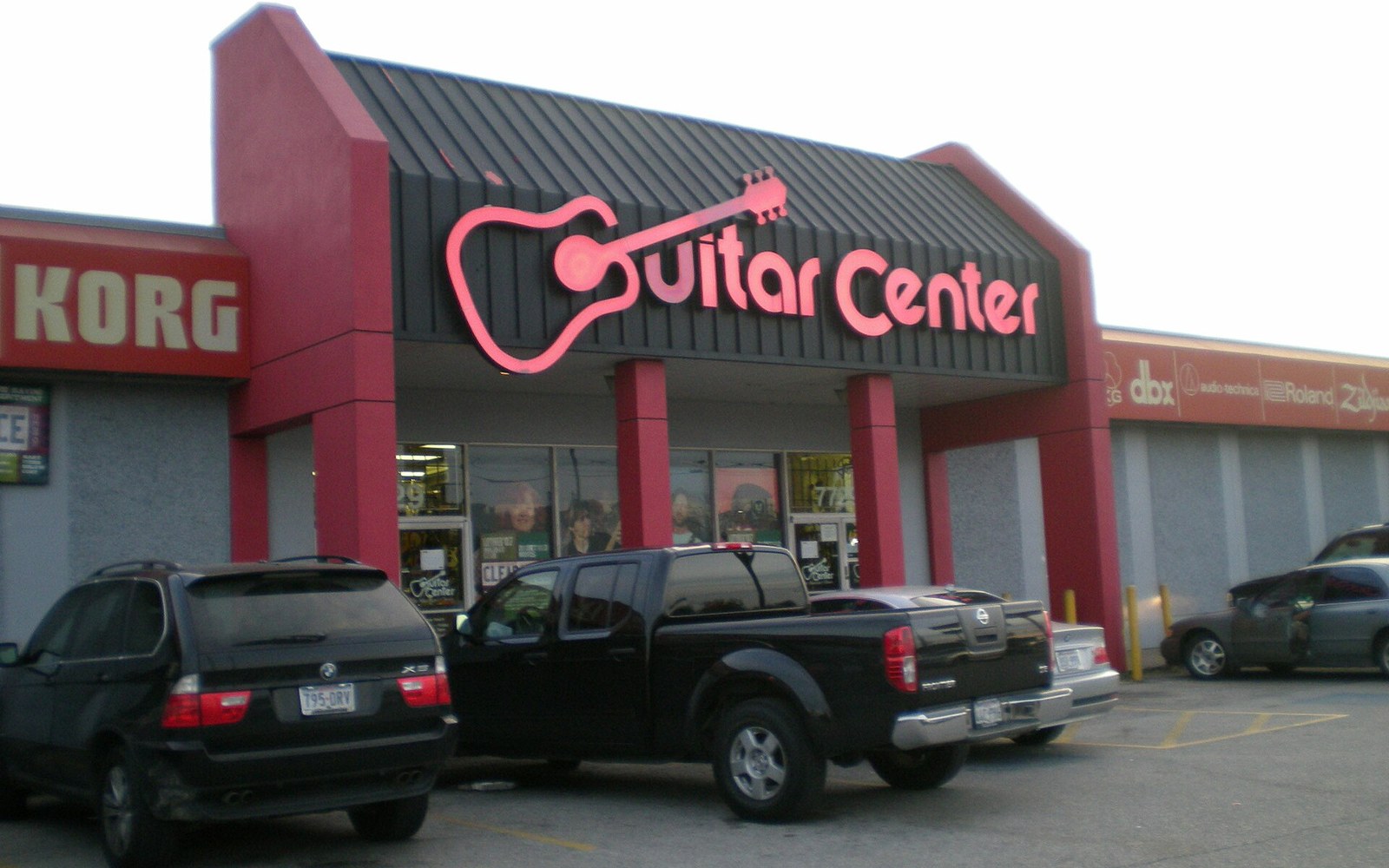
Guitar Center's bankruptcy filing in November 2020 and its emergence a month later restructured nearly one billion dollars in debt — and the store count and purchasing power changed with it.

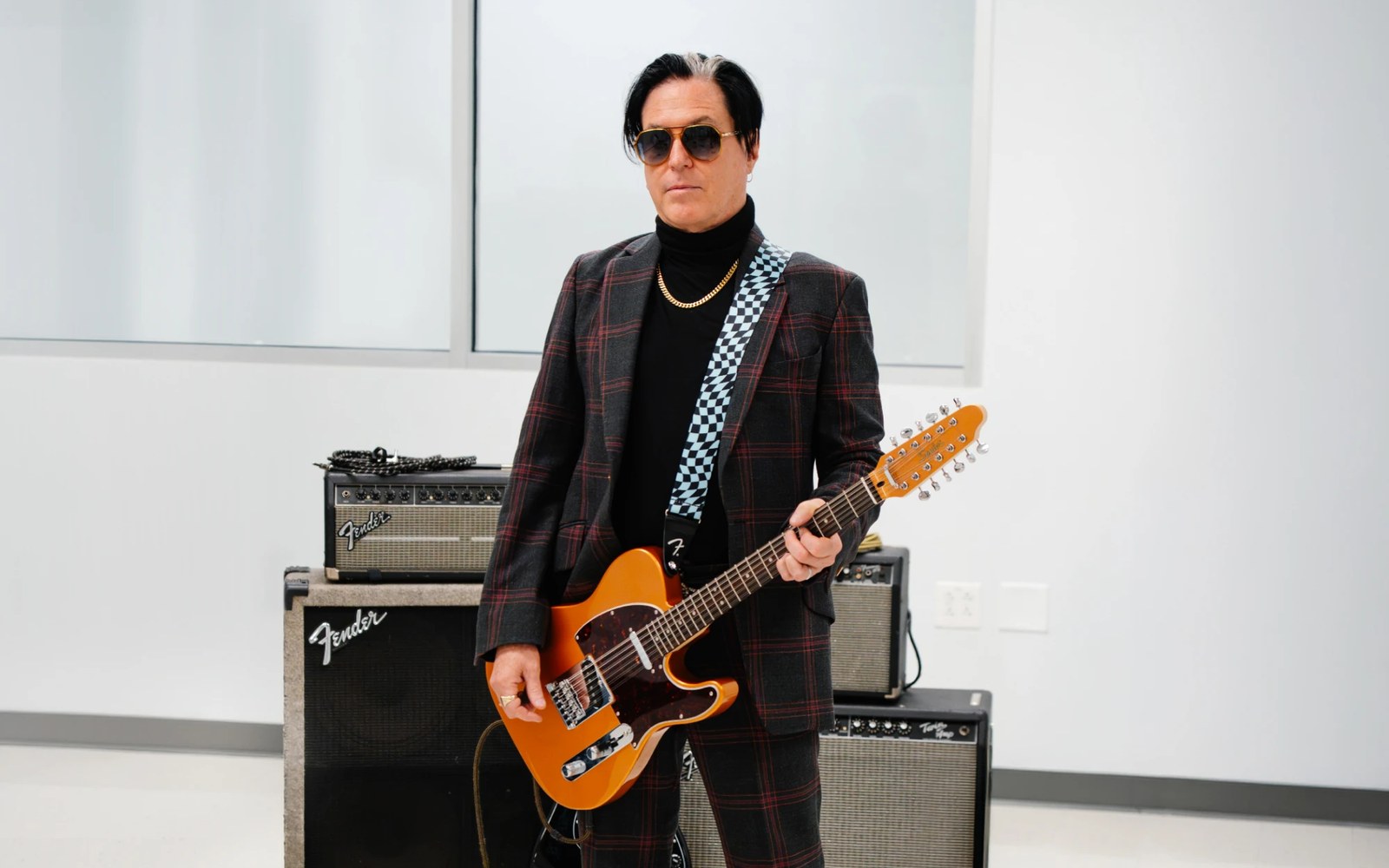
Fender's Player, Vintera and American Professional lines — plus the Custom Shop above them — cover a span from the Ensenada factory to a California workshop, and the question of what that price difference buys is not straightforward.

All Dalbergia species were listed under CITES Appendix II in 2017, requiring export documentation for any instrument with a rosewood fingerboard — until finished instruments were partially exempted again in 2019.

Most bass guitars sold in the United States below the premium bracket are manufactured in Mexico, Indonesia or China — which makes the instrument market directly exposed to trade-policy shifts in a way that domestic furniture or apparel is not.