The Signal Before the Speaker
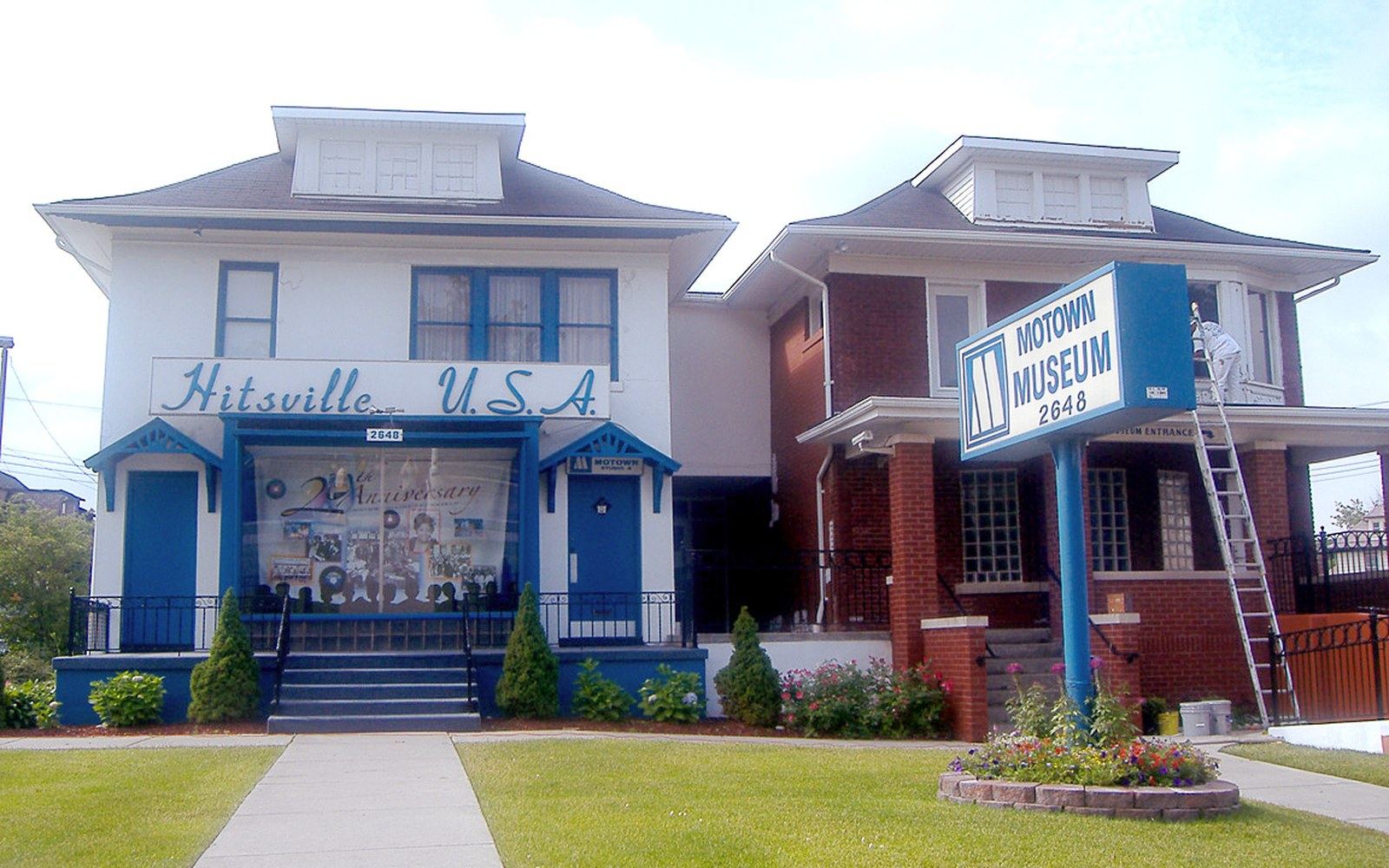
The recording console at Motown Studio A on West Grand Boulevard, Detroit, accepted instrument signals long before the industry had settled on a name for the practice. Engineers there were taking the bass guitar — most often James Jamerson's 1962 Fender Precision strung with La Bella flatwound strings — and feeding it straight into the board, bypassing any amplifier and cabinet entirely. The result was a clean, phase-coherent low end with no room sound, no speaker coloration, no microphone proximity problems. It was also completely repeatable from session to session, which mattered in a studio running multiple dates a day.
What a microphone in front of a speaker loses is the attack. Cabinet and speaker cone impose their own envelope on the signal: the cone has mass, it takes a fraction of a millisecond to move, and by the time the sound reaches the microphone the transient has already been reshaped. Flatwound strings on a Precision produce a tone that is already warm and contained, but the initial thud — the moment the string stops and the fundamental locks — is there in the direct signal in a way that mic placement can only approximate. That definition is audible in the low midrange presence of the Motown rhythm tracks, and it sits in a mix without needing to be pushed.
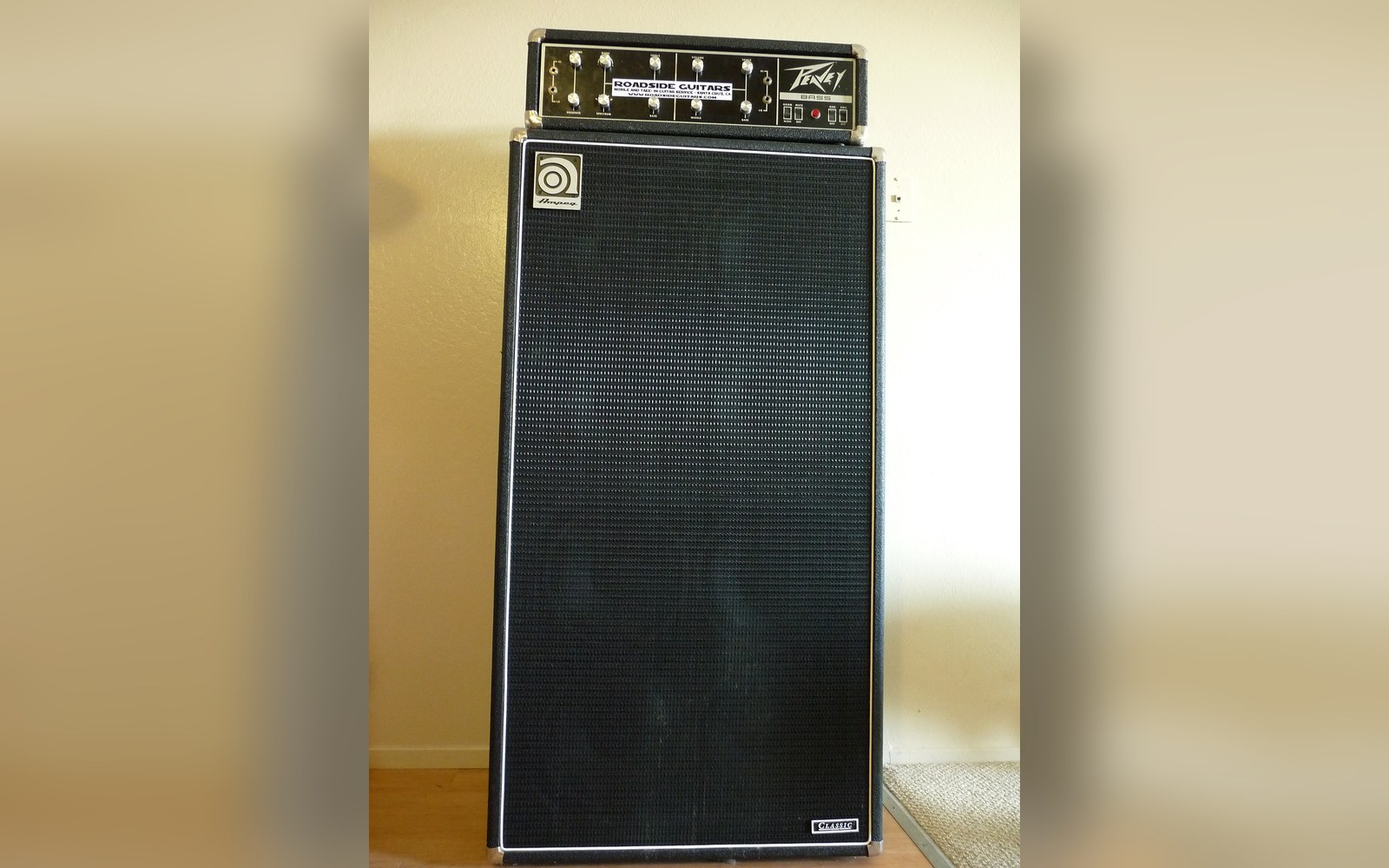
Three hundred valve watts across eight ten-inch speakers. The SVT exists because bass rigs could not keep up with the PA systems of 1969.
Photo: Peavey head & Ampeg Classic cabinet · Wikimedia Commons
The console at Hitsville U.S.A. was not a purpose-built DI routing system; engineers adapted what they had. The practice of bridging high-impedance instrument signals into a low-impedance console input was a workaround, and it introduced its own impedance mismatch. The DI box as a designed solution — a transformer-coupled device that properly converted impedance and balanced the line — came later. The Countryman Type 85, one of the defining units, arrived well after the Motown engineers had worked out their own approach. What the Motown engineers were doing in 1962 was improvised, empirical and, by any measure, correct.
The Funk Brothers recorded at Studio A under session conditions that prioritised consistency and speed. A direct signal delivered both. The technology had not yet been systematised; the Ampeg B-15 was present in the building and used on some dates. But the bass that ended up on tape — the bass on "Heatwave," on "I Heard It Through the Grapevine," on most of what became the Motown sound — was overwhelmingly a direct signal. The terminology caught up decades later.