
Virtual
Bass
Player

The bass guitar as an instrument, an industry and a recorded sound.

The lead

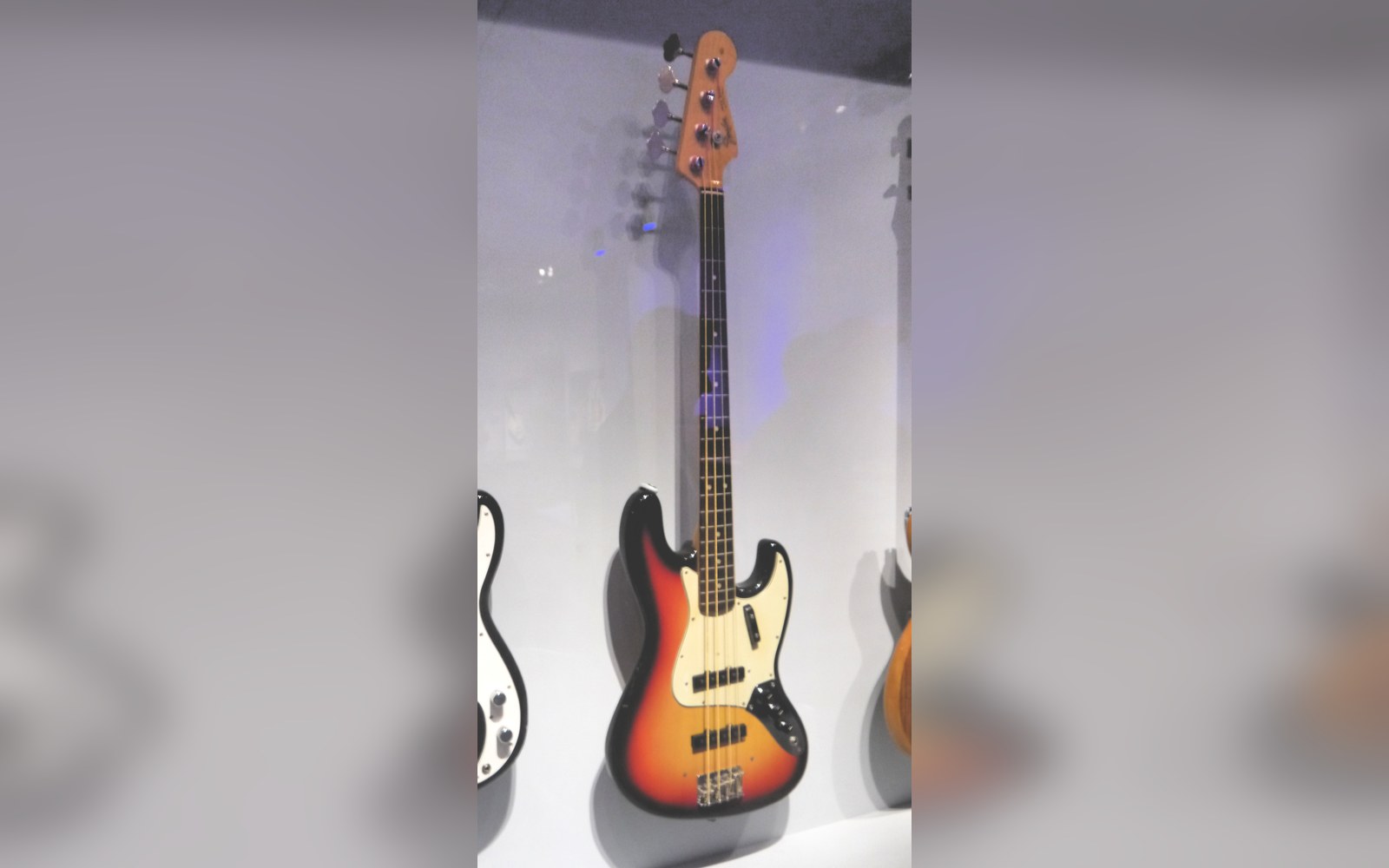
Fender has built the same bass since 1951 and it still outsells whatever is new

The Precision arrived that year, the Jazz in 1960. Between them they settled what a bass guitar is, and the rest of the industry has been arguing with the drawing ever since.

Read the piece

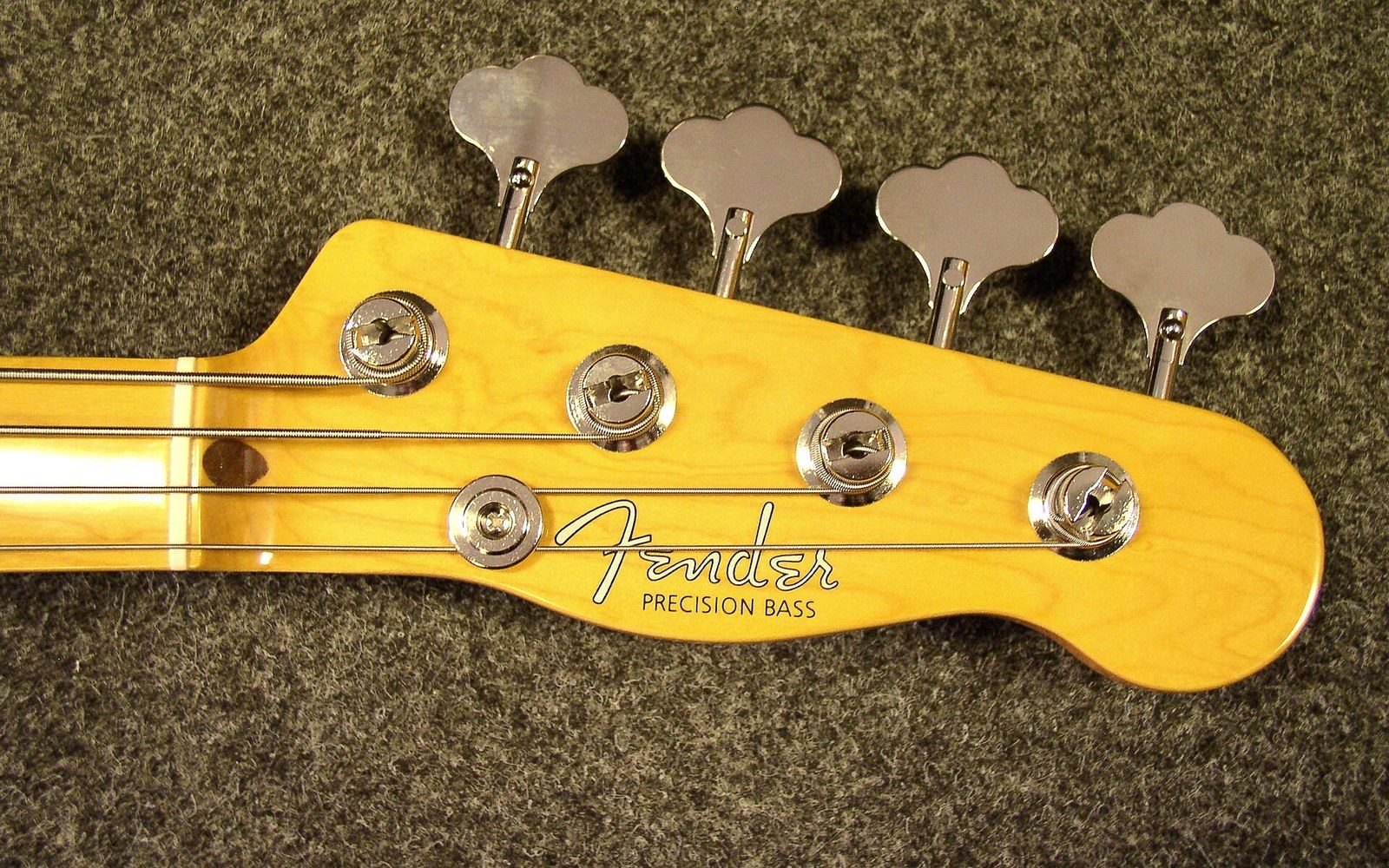
Fender Precision Bass headstock with tuning pegs on a fabric case background

Leo Fender was a radio repairman in Fullerton who never learned to play the thing he redrew.

Photo: Fender 1951 Precision Bass Headstock · Wikimedia Commons

Four strings, thirty-four inches, and an argument that has outlasted every company in it.

01

Two shapes, and seventy-five years of arguing about them

All instruments
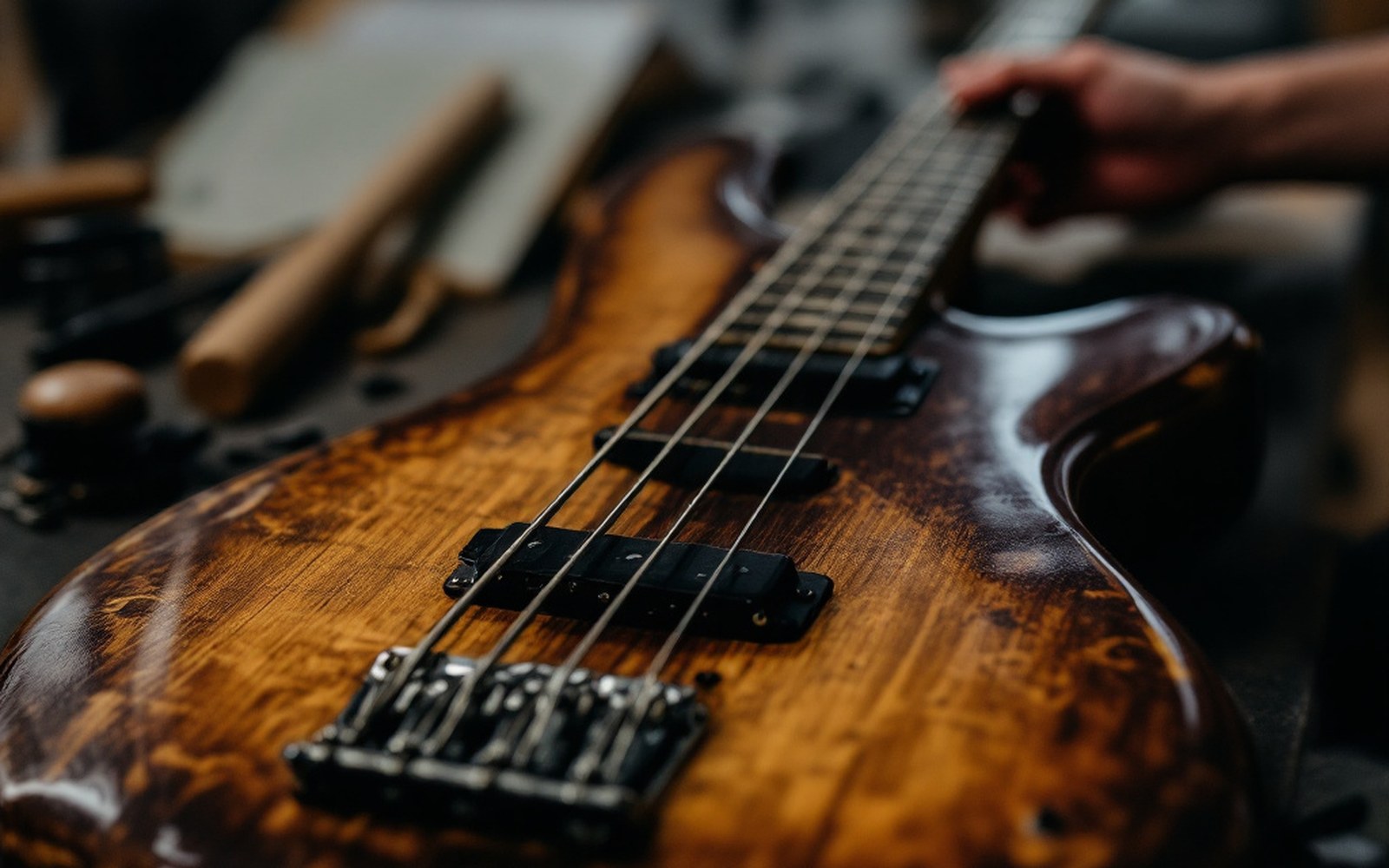
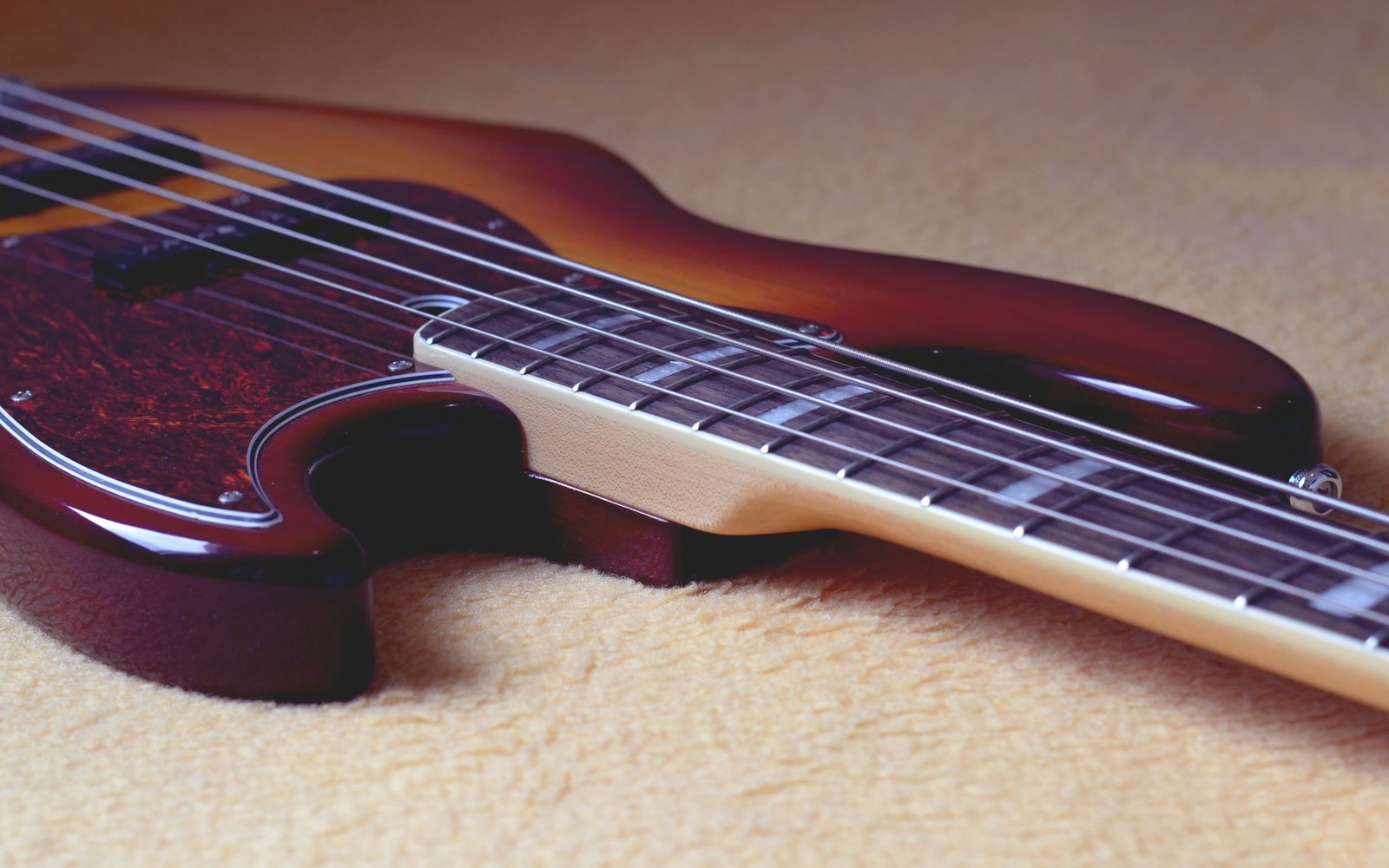
A luthier's workbench with a Fender-style bass neck clamped in a work cradle, truss-rod tools and radius gauges alongside, workshop light from above

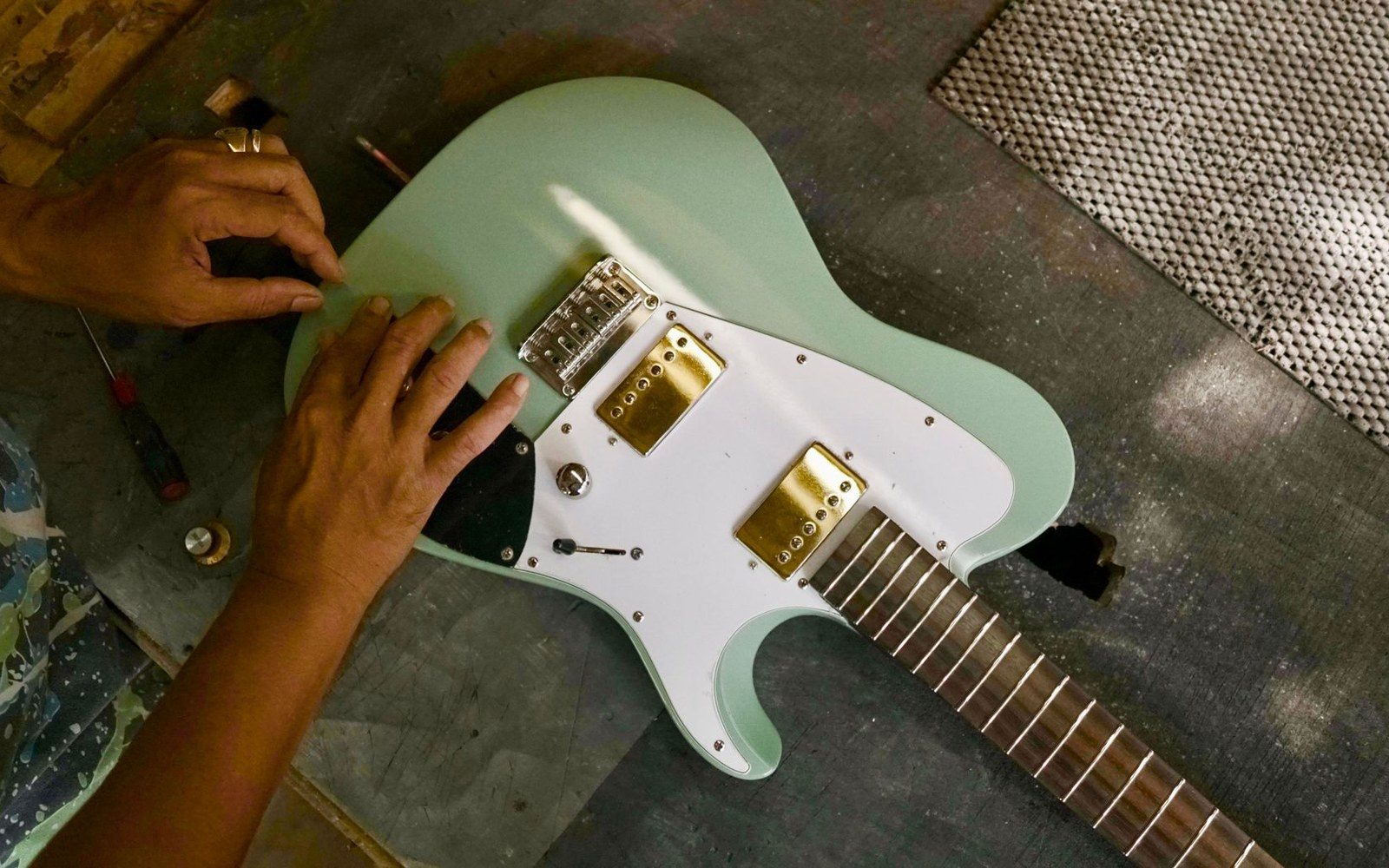
Bodies are finished before the neck arrives: pickguard, pickups and bridge go on first, then the neck is bolted into its pocket — which is why one can be replaced without touching the other.

Photo: More Amore / Pexels

Five that changed the specification

02

The people you have already heard, whether you were listening or not

All players
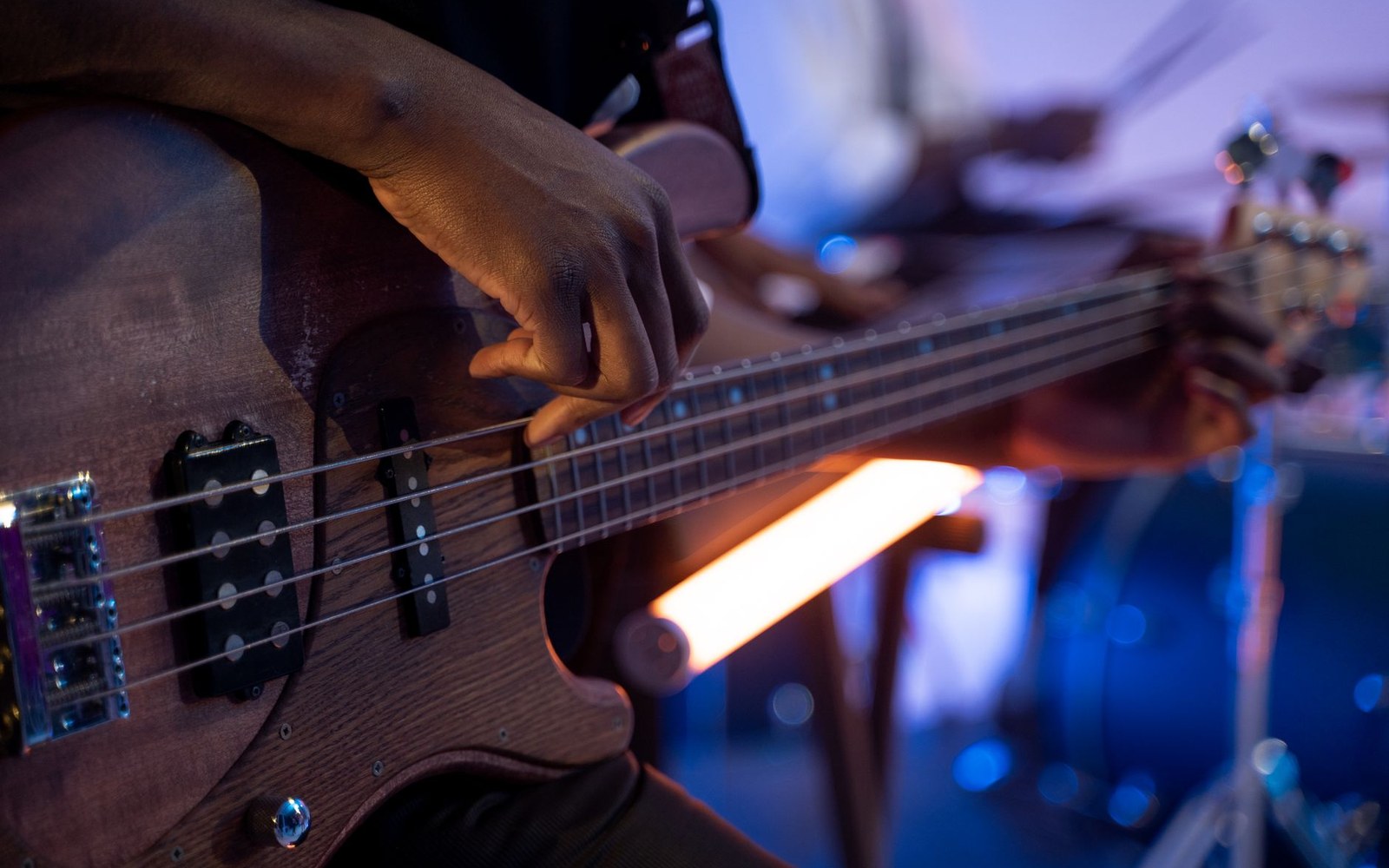
A close-up of a hand plucking the strings of a bass guitar on stage

One Finger, Studio A, and Most of What You Have Already Heard

James Jamerson played the Motown catalogue on a 1962 Precision with flatwound strings he was reluctant to change — the accumulated grime and looseness of those strings is part of the recorded sound. Covers his technique, the Funk Brothers session context, and the question of why his name did not appear on the labels.

Photo: ANTONI SHKRABA production / Pexels
Roundwound · flatwound

In 1966 John Entwistle asked Rotosound for a bass string wound like a piano's. Everything bright about rock bass comes out of that request.

Flatwounds did not disappear when the Swing Bass 66 set arrived. They went to Motown, to La Bella, and stayed there.

The changeover

03

Wound steel, wire, and what the used market thinks it is worth

All of the trade

Supported by

Builders, dealers and labels whose work runs through the same signal chain.

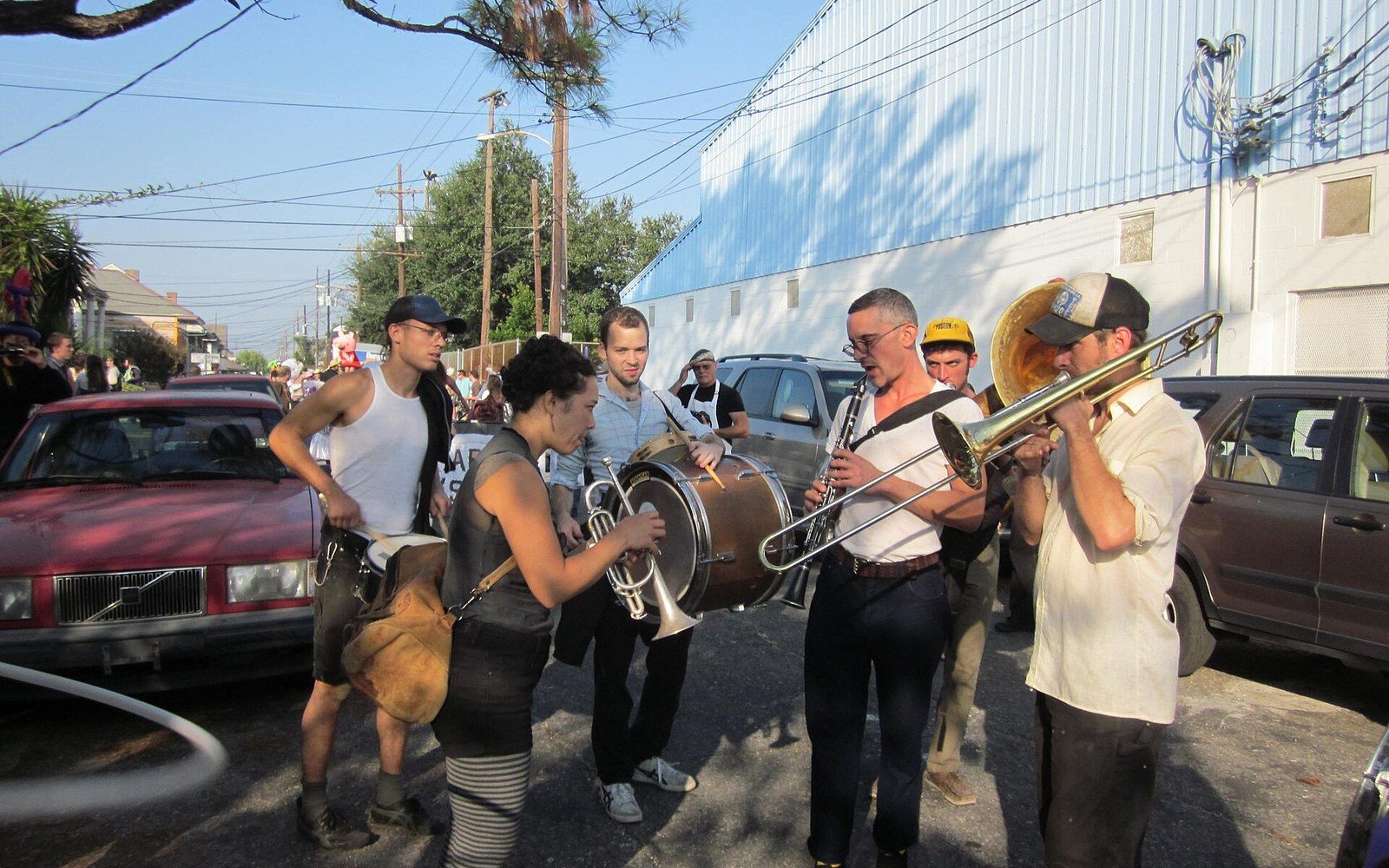
Brass band musicians play trombone, trumpet, clarinet and tuba on a residential street

Before 1951

The Tuba Held the Root, Then the Upright Did, Then Leo Fender Filed a Patent

Before the electric bass guitar existed, the low end in popular music moved from the tuba in early jazz to the double bass in swing dance bands — an instrument that was loud enough for a hall but too large for most working situations. Traces that transition up to the moment in 1951 when the Precision made the double bass optional.

Read it

Photo: Piety Jazz Band 4 Fringe Fest Parade · Wikimedia Commons