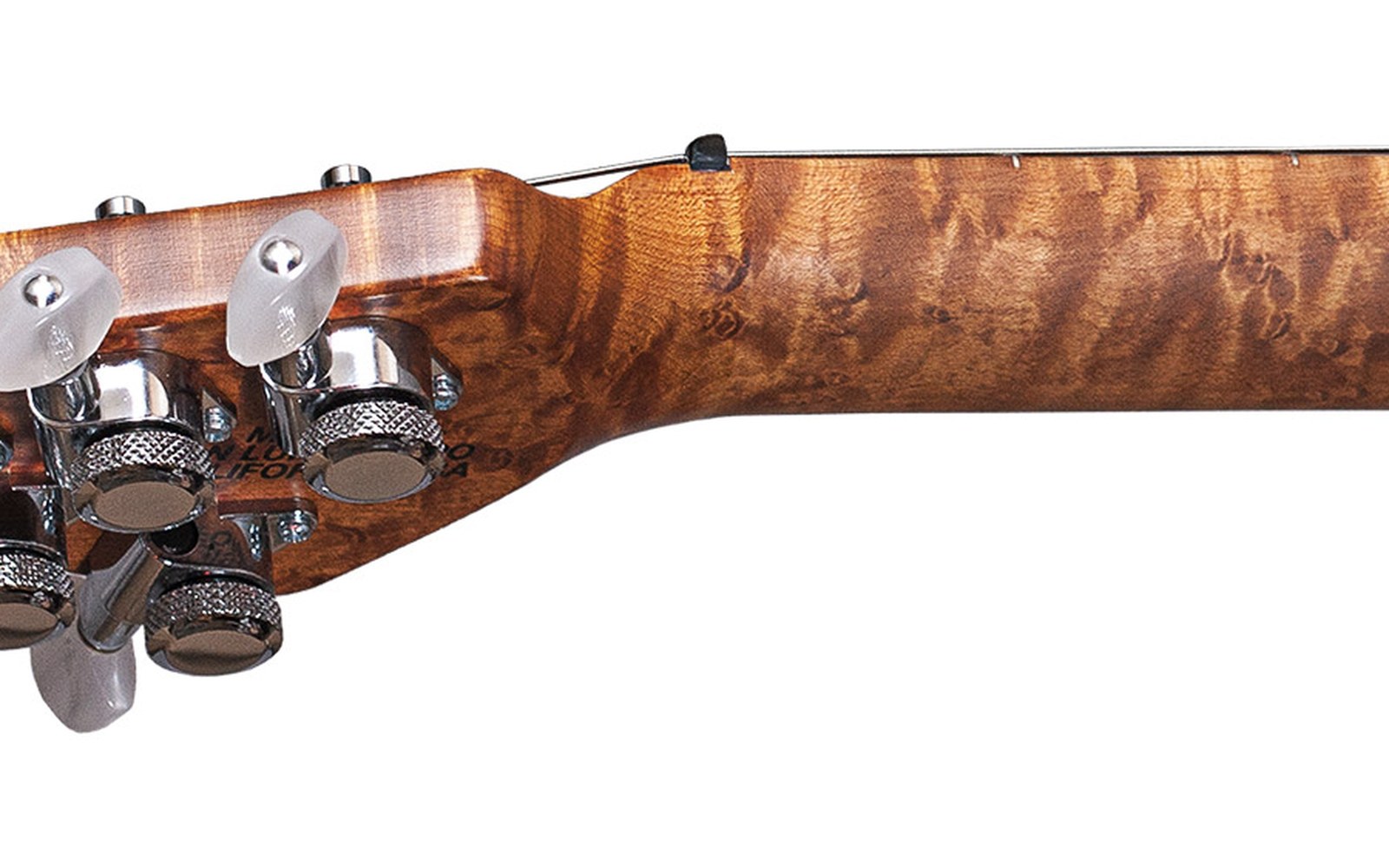
The Signal Before the Battery
Until the mid-1970s, most onboard tone controls on bass guitars worked passively: a capacitor rolled off high frequencies, and that was the extent of shaping available before the signal hit an amplifier or console. The Music Man StingRay changed the equation. Leo Fender's third company — working with designer Tom Walker — put an active preamp directly into the bass body, powered by a 9-volt battery, giving the player genuine boost as well as cut. A passive tone stack can only subtract; an active preamp can add. That asymmetry is the entire argument.
The StingRay's circuit offered bass and treble boost-and-cut centered on fixed frequencies, with a midrange control added on later variants. The pickup itself — a large humbucker — ran into a high-input-impedance buffer that isolated it from cable capacitance and downstream loading. That buffer alone changed the character of a long cable run from tonally destructive to neutral. The EQ was almost secondary.
What the Boutique Houses Added
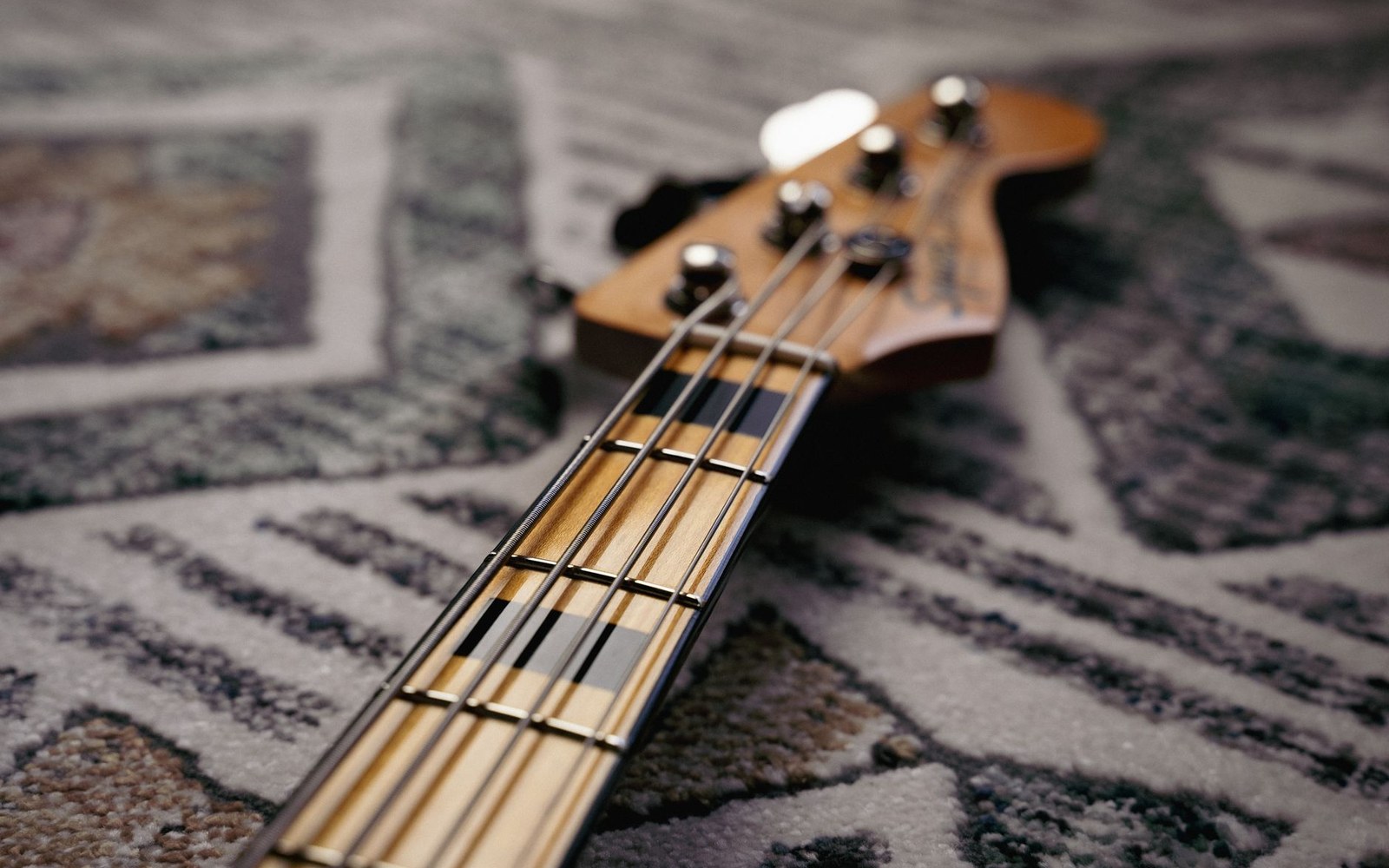
Roundwound strings are wrapped in round wire, which leaves a ridged surface: brighter, louder, and harder on frets than a flatwound.
Photo: DiePhotoPotato / Pexels
Once the StingRay proved the concept, after-market and boutique preamp builders began offering what the factory could not: flexible centre frequencies, sweepable mids, and circuits quiet enough for direct recording. Three names defined the field.
Aguilar, founded in New York in the 1990s, built its OBP series around a low noise floor and musical-sounding shelving curves — the kind that could be pushed hard without turning harsh. Its three-band OBP-3 became a standard retrofit in high-end instruments where players wanted studio-grade EQ without leaving the bass.
Bartolini took a different approach, pairing its own pickups with preamps voiced to be warm and even-order-harmonic-rich — a deliberately un-hi-fi character suited to fretless and jazz-influenced playing. The interaction between a Bartolini pickup and its matching preamp was designed as a system, not a menu of parts.
EMG went further into isolation, building its active pickups with the buffer integrated at the coil — so the signal is already low-impedance before it reaches any onboard EQ. The result is exceptionally low noise, which is why EMG appeared in recording contexts where hum was simply not acceptable.
The retrofit market that followed these three — Fodera working with Pope Electronics, Sadowsky building its own simplified two-band circuit — confirmed that the battery had become a permanent resident of the control cavity. What began as Leo Fender's third idea is now an expectation on any bass above entry level.