What the Shop Is Actually Doing
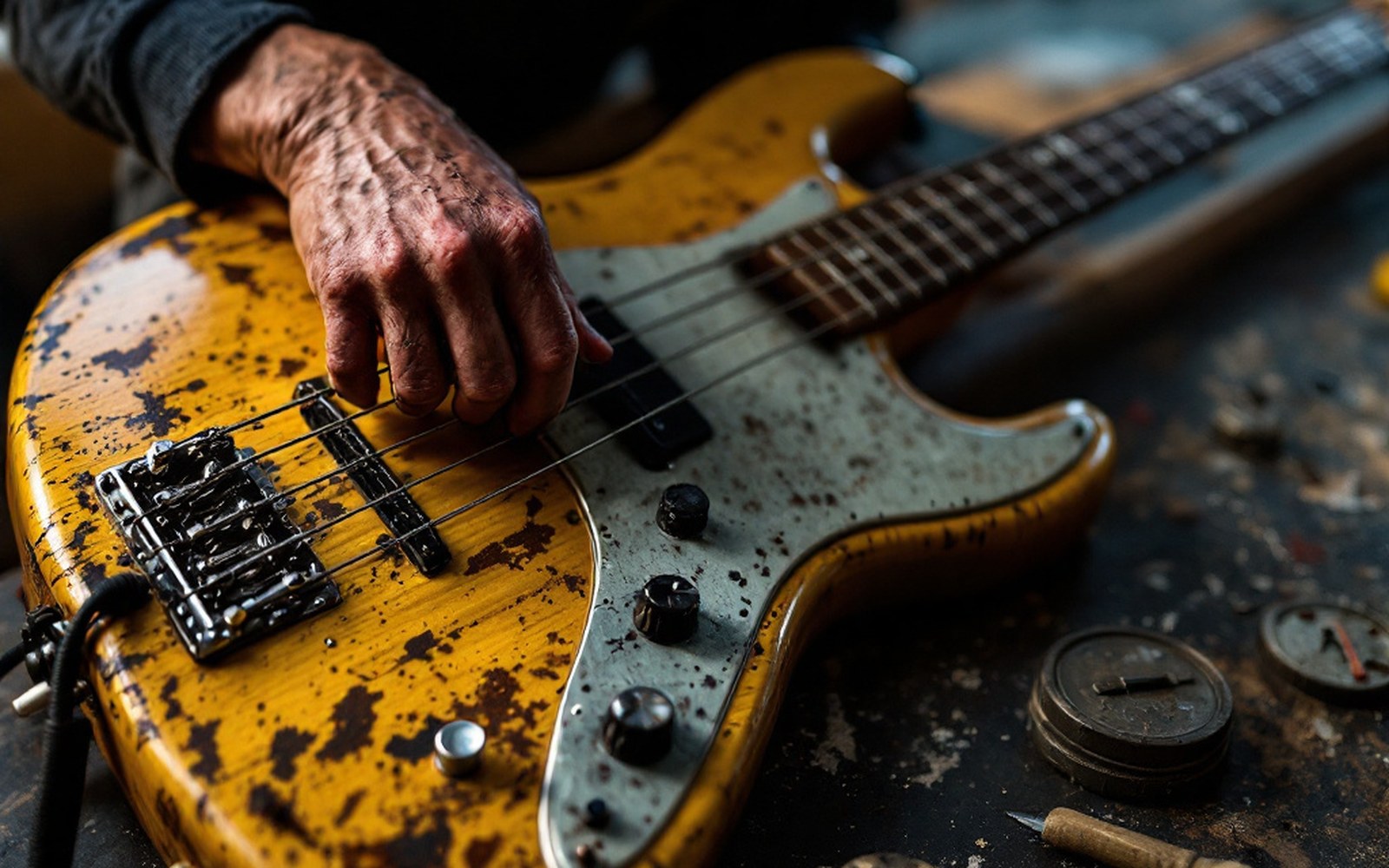
A brand-new Fender Custom Shop Relic does not arrive in that condition by accident. Every scratch, every patch of checking lacquer, every worn fret crown and oxidised tuner is placed deliberately by a master builder in Corona, California who has studied original examples — sometimes the same instruments that a collector paid six figures to own — and then applied the same degradation to fresh alder and nitrocellulose lacquer by hand. The process is calibrated, documented and reproducible across production grades. That is simultaneously its achievement and its offence, depending on who you ask.
Fender introduced the Relic concept through the Custom Shop in the mid-1990s, initially as a series of limited runs meant to reproduce the look and feel of specific vintage instruments. The appeal was immediate and practical: a player who wanted the thin neck lacquer, the worn fret ends and the broken-in feel of a 1958 Precision without spending the money or assuming the structural risk of an actual sixty-five-year-old instrument could now have most of that in a new build. The wear was not decoration. Worn fret ends genuinely soften playability; checking lacquer on a nitrocellulose body genuinely affects resonance; a lightened body finish genuinely changes the way the wood breathes. Luthiers argue about the acoustical magnitude of these effects, but nobody disputes that aged instruments feel different in the hands.
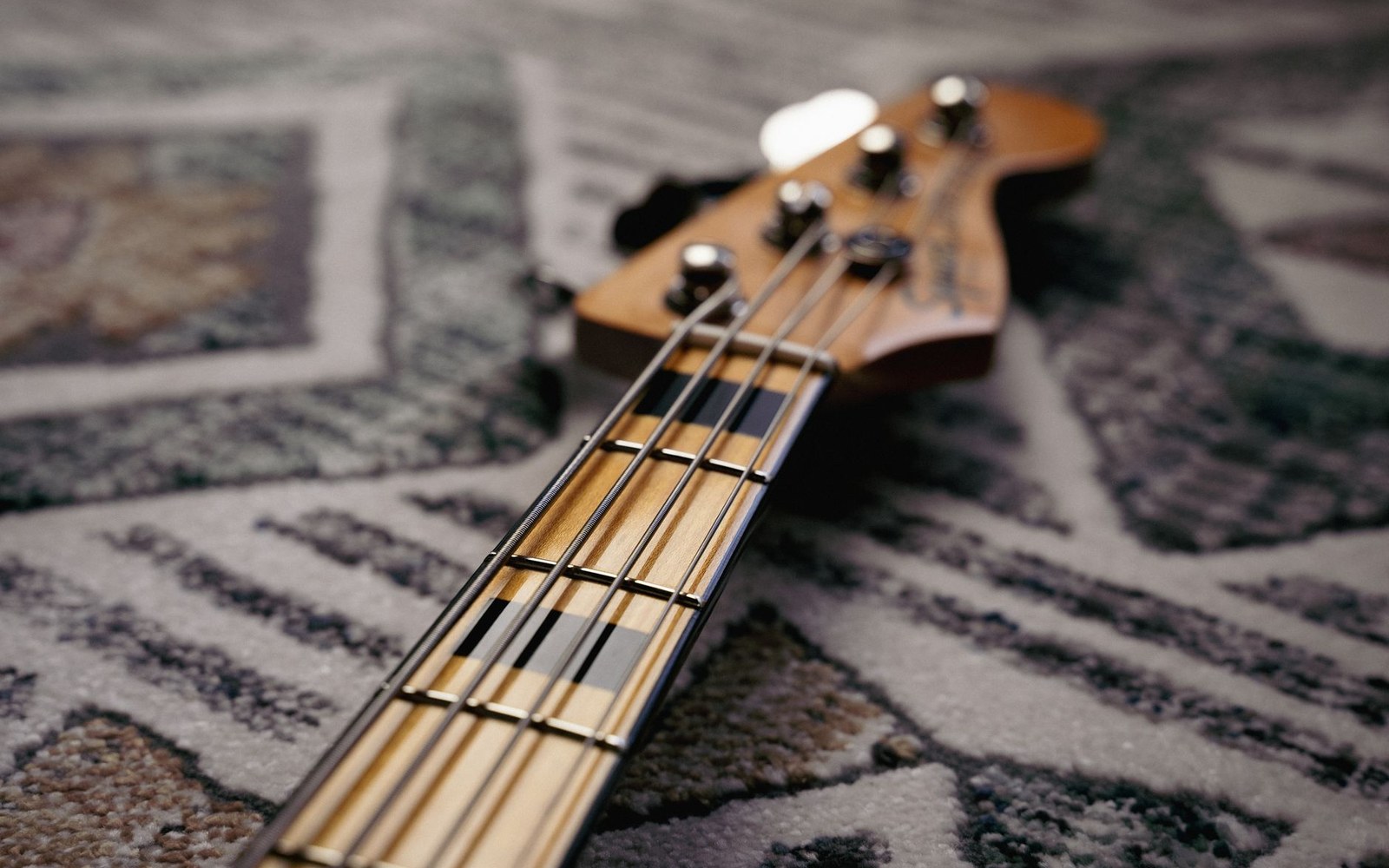
Roundwound strings are wrapped in round wire, which leaves a ridged surface: brighter, louder, and harder on frets than a flatwound.
Photo: DiePhotoPotato / Pexels
The Custom Shop organises artificial aging into defined grades. A Closet Classic represents an instrument that was bought new, played occasionally and stored well — a few dings, light lacquer checking, oxidised hardware, but fundamentally intact. A Relic goes further: heavy playing wear on the body, significant fret wear, hardware corrosion and finish loss in all the places a working instrument would lose it. A Heavy Relic pushes past even that to reproduce the kind of damage associated with decades of nightly touring — deep checking, cratered finish around the output jack, worn-through wood on the forearm contour. Each grade requires different tools, different chemical treatments and different hand-finishing time, which is reflected directly in the retail price differential between them.
What the Secondary Market Prices In
The question of what a deliberate relic is actually worth once it has left the Custom Shop has no clean answer, and Reverb's sold-listings data shows the spread. Heavy Relic Custom Shop instruments from respected builders frequently trade at or above original retail; Closet Classics from standard production runs settle somewhat below. The spread reflects something real: a Heavy Relic built by a named Custom Shop master builder carries identifiable authorship in a way that a production-line instrument does not, and collectors treat it accordingly.
What the secondary market explicitly does not do is price Relic instruments as if they were vintage originals. A Custom Shop Relic 1959 Precision — however convincing the aged finish, however carefully the split-coil pickup is wound to period specification — is recorded in every sales database as a modern instrument. Its provenance is Fullerton in 2019, not Fullerton in 1959. That distinction matters legally, insofar as misrepresentation in vintage instrument sales is a recoverable harm in most jurisdictions, and it matters acoustically: the wood has not actually experienced five decades of vibration, humidity cycles and temperature stress. Research on wood aging and acoustic resonance suggests that these physical changes to cellular structure are not reproducible by surface treatment alone, though the audible difference at a recording session remains genuinely contested.
The more interesting argument is whether the relic'ing market has changed how collectors relate to real wear. Before the Custom Shop normalised artificial aging, a scratched headstock or a chipped body was evidence — evidence of ownership history, of musical use, of survival. Now the same visual information requires authentication: is this wear random, accrued through decades of playing, or is it the considered work of a craftsman in a California workshop who decided, in 2023, that this particular corner should look like 1967? The Custom Shop never claimed otherwise. The question is whether knowing that changes what you hear when you plug it in. Most players find, eventually, that it does not. Most collectors find that it does.