The Supply Geography
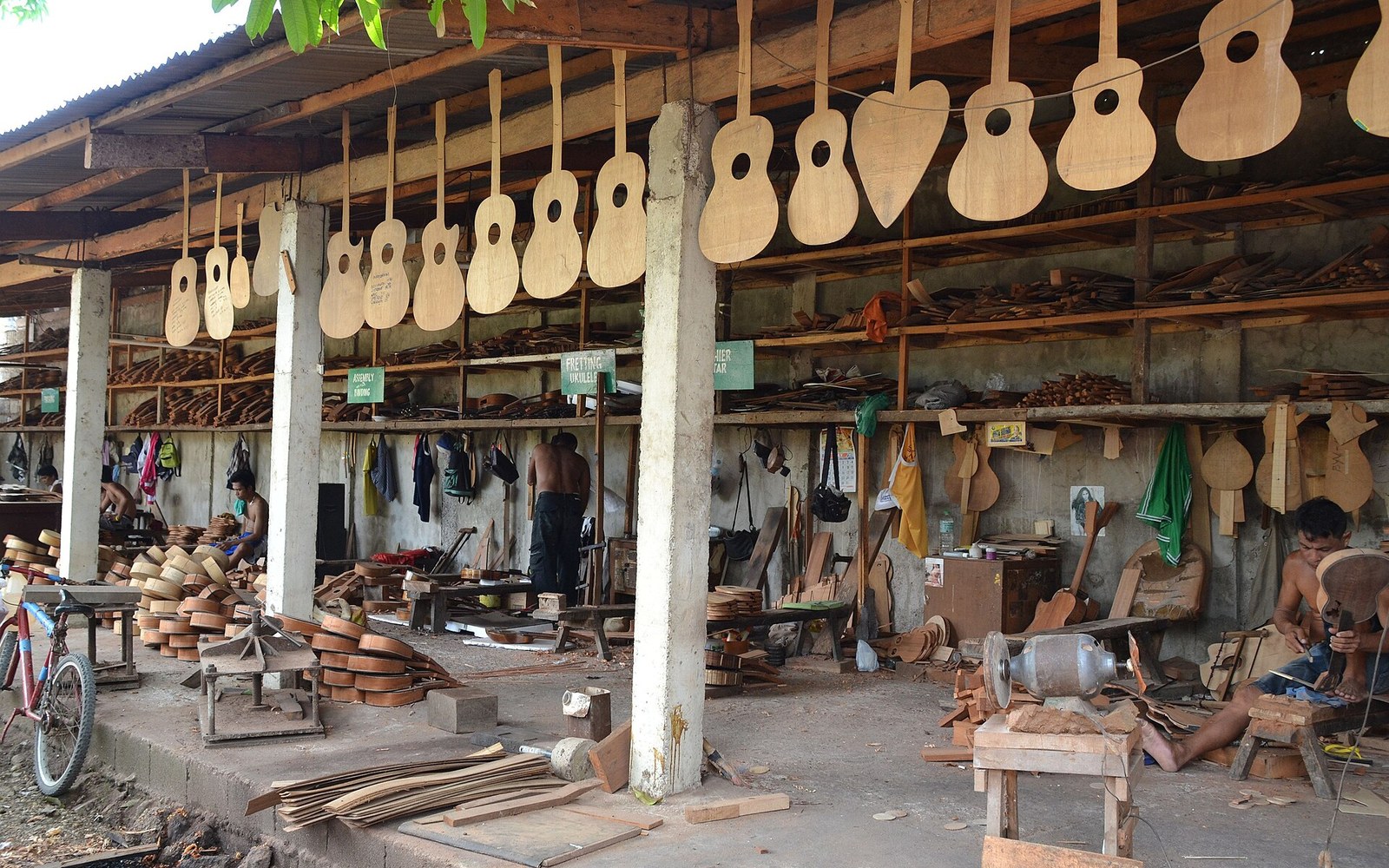
The overwhelming majority of bass guitars sold in the United States below roughly eight hundred dollars originate in three countries: Mexico, Indonesia and China. Fender's Player Series comes from its Ensenada, Mexico plant; Squier, Ibanez's mid-range catalogue and much of Yamaha's entry and intermediate production ship from Indonesia; lower-cost instruments from a range of brands — including licensed and house-brand instruments sold through Guitar Center — are predominantly Chinese-made. Premium domestic production, the Fender Custom Shop and boutique makers such as Fodera and Sadowsky New York, sits above this bracket and represents a small fraction of unit volume.
Under the U.S. Harmonized Tariff Schedule, bass guitars are classified under heading 9202 — string musical instruments played otherwise than with a bow — which assigns most finished instruments a base duty rate near the floor. That low baseline is what made the Section 301 tariffs on Chinese goods, applied from 2018 onward under the Trump administration and maintained under the Biden administration, consequential: the additional duties pushed effective rates on Chinese-origin instruments substantially higher, in some tranches reaching 25 percent or more atop the base rate.
Where the Price Moved
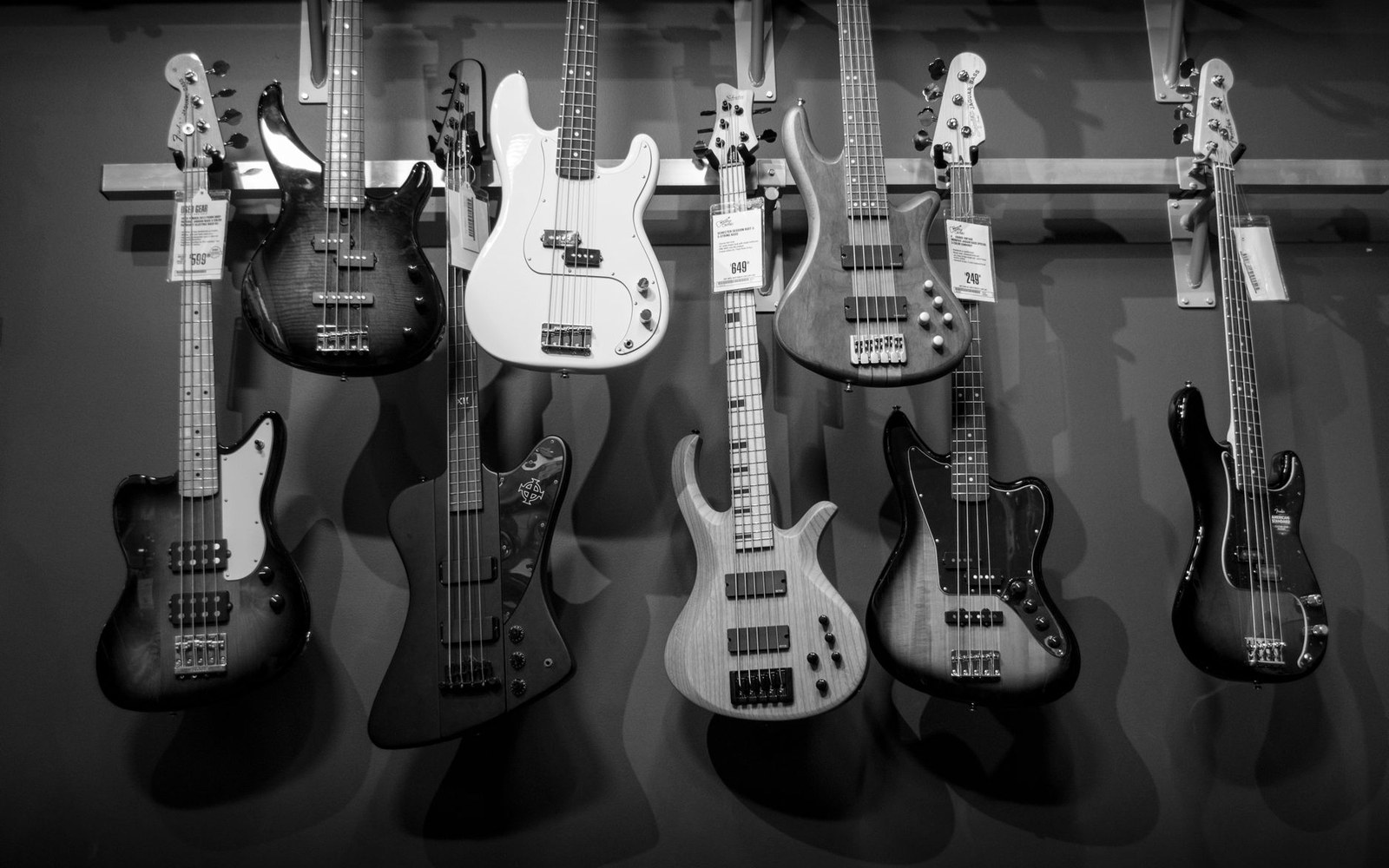
The shop wall used to set the price. Most of that work has moved to second-hand listings and their completed-sale data.
Photo: Stephen Niemeier / Pexels
The tier most visibly affected was the two-hundred-to-five-hundred dollar bracket: entry Chinese-made instruments that had held stable street prices for years. Brands absorbed some of the increase through margin compression; retailers absorbed some; a measurable portion landed on the consumer. Reverb's sold-listings data from 2019 through 2022 showed upward drift in used-market pricing for instruments in this band, consistent with new-price pressure lifting the floor for secondhand comparable models. Mexican production, not subject to Section 301, became a more attractive middle-market option — which is part of why Fender's Player Series has held its commercial position while the very lowest tier repriced upward.
Indonesian instruments have faced separate scrutiny under broader trade discussions but have not carried comparable additional duty exposure in the same period, keeping that production tier relatively stable.
The structural conclusion is straightforward: for the middle of the bass market, the most consequential design decision a manufacturer makes may not be the pickup or the neck joint — it may be which side of a tariff line the factory sits on.